

Rumors that Paramount could leave California have sent shockwaves through Hollywood in recent weeks, but the latest developments suggest the legendary studio may not be packing up its Melrose Avenue lot after all.
Paramount Skydance CEO David Ellison had reportedly considered moving the company’s headquarters and operations out of California amid an escalating legal battle over Paramount’s proposed acquisition of Warner Bros. Discovery. Texas, Tennessee and Georgia were among the states discussed as possible destinations.
However, on Monday, September 21, Paramount reached a settlement with California Attorney General Rob Bonta and 11 other states that had sued to block the Warner Bros. Discovery acquisition, removing one of the largest remaining obstacles to the deal.
The agreement dramatically changes the conversation surrounding Paramount’s future in California.
In August, reports surfaced that Ellison told Paramount senior executives he was prepared to begin moving the company out of California if there was no progress in resolving the states’ antitrust lawsuit.
The dispute centered on Paramount’s massive proposed acquisition of Warner Bros. Discovery. California and 11 other states sued to block the combination, arguing that bringing two major Hollywood studios under one owner could reduce competition.
At one point, Ellison reportedly discussed beginning a relocation process as early as October. Texas, Tennessee and Georgia emerged as possible alternatives, with their lower costs and business incentives making them potential destinations.
That fueled headlines suggesting Paramount Pictures itself could leave Hollywood.
But there was always an important distinction between moving Paramount’s corporate headquarters and actually dismantling its enormous Los Angeles production operation.
Paramount owns approximately 62 acres at 5555 Melrose Avenue in Hollywood, including roughly 1.85 million square feet of offices, sound stages, production facilities, theaters and other facilities, according to the company’s 2026 annual filing. Paramount also has substantial additional production and office operations throughout Southern California.
Moving a corporate headquarters is one thing. Recreating more than a century of production infrastructure, stages, facilities and creative relationships somewhere else is something entirely different.
The situation shifted significantly on September 21.
Paramount and the coalition of states reached a settlement that clears a major legal hurdle for the Warner Bros. Discovery transaction. The agreement still requires court approval.
According to the Los Angeles Times, Paramount agreed to spend $1.5 billion on film production in Hollywood over the next five years as part of the settlement. Reuters reports that Paramount has committed to spending at least an additional $300 million per year on U.S. production.
The agreement also calls for Paramount to release at least 30 theatrical films annually during the first two years following the merger, with that number increasing to 32 films annually during the following three years. Penalties could apply if the company fails to meet its commitments.
Reports on the final settlement also indicate that Paramount agreed not to sell the Paramount or Warner Bros. studio lots, another significant development for Los Angeles.
The possibility was serious enough that California officials took it seriously. But even before the settlement, reporting suggested that a potential relocation did not necessarily mean every Paramount employee, soundstage and production operation would immediately leave California.
The Los Angeles Times reported that one possible scenario involved relocating Paramount’s corporate headquarters to another state while maintaining significant creative operations in Los Angeles and New York.
That model is not unprecedented. A corporation can establish its official headquarters in another state for financial, regulatory or strategic reasons while continuing to maintain major operations in California.
Ellison himself reportedly discussed maintaining a significant creative presence in Los Angeles even while considering an out of state headquarters.
And Paramount’s physical connection to Hollywood is substantial. Its Melrose Avenue studio has been part of Los Angeles for generations and remains one of the last major working studio lots physically located in Hollywood.
For the moment, fears of an imminent Paramount departure from California appear to have eased considerably.
The settlement does not mean Hollywood will escape major changes. Paramount’s acquisition of Warner Bros. Discovery would combine two of the entertainment industry’s most historic companies and bring properties including Paramount Pictures, Warner Bros., CBS, HBO, CNN, Paramount+ and HBO Max under the same corporate umbrella.
Paramount has also told investors that the combination is expected to generate billions of dollars in cost savings, meaning concerns about consolidation and potential job reductions remain. Reuters reports the companies have projected more than $6 billion in savings, including cost reductions that could affect Hollywood employment.
But that is a separate question from whether Paramount Studios is simply abandoning California for Texas.
As of September 21, the evidence points in the opposite direction. Paramount has reached an agreement with California, pledged major additional production spending and, according to reports on the settlement, agreed to preserve its historic studio properties.
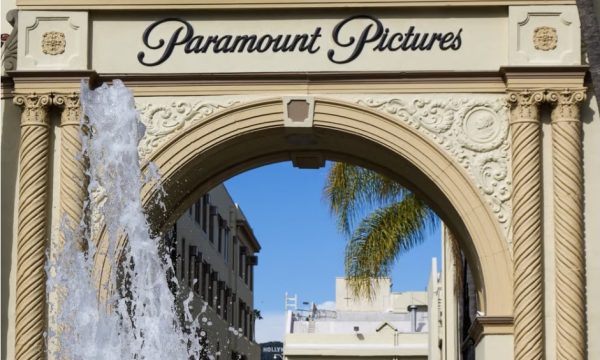
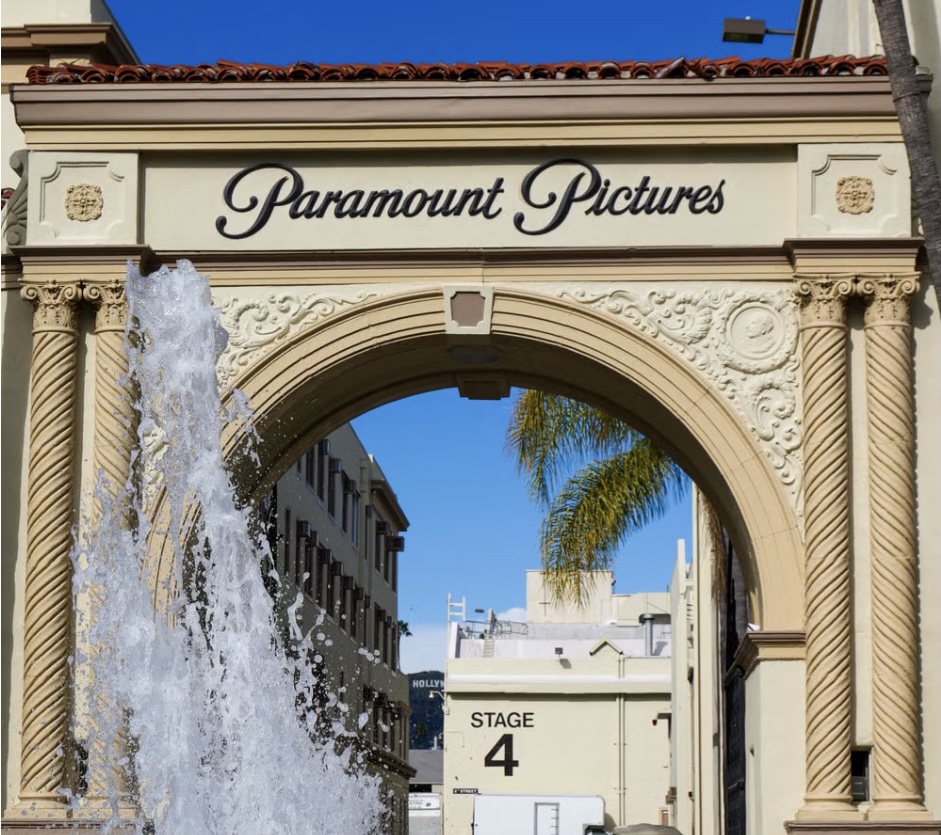
For a studio whose famous gates have stood on Melrose Avenue for more than a century, Hollywood appears likely to remain home.
Sources
- Reuters — Paramount settles with U.S. states, clearing major Warner Bros. merger hurdle
- Los Angeles Times — Paramount and attorneys general settle lawsuit, clearing path for Warner Bros. merger
- Los Angeles Times — Paramount’s possible Hollywood exit puts Los Angeles on edge
- Los Angeles Times — Paramount California settlement talks accelerate
- Reuters — Paramount and California discussed $1.5 billion production investment and retaining studio facilities