

As dogs get older, maintaining their dental health can become increasingly challenging. Plaque buildup, tartar and bad breath are common concerns for pet owners, particularly when caring for a senior dog.
I’m constantly seeing Instagram ads for “miracle” products for dogs. These days, I don’t know what’s real and what’s AI. Rather than relying on comments and testimonials, I decided to do my own research. While regular dental cleanings and at-home oral care remain important, certain natural ingredients may offer additional support. One of them is seaweed.
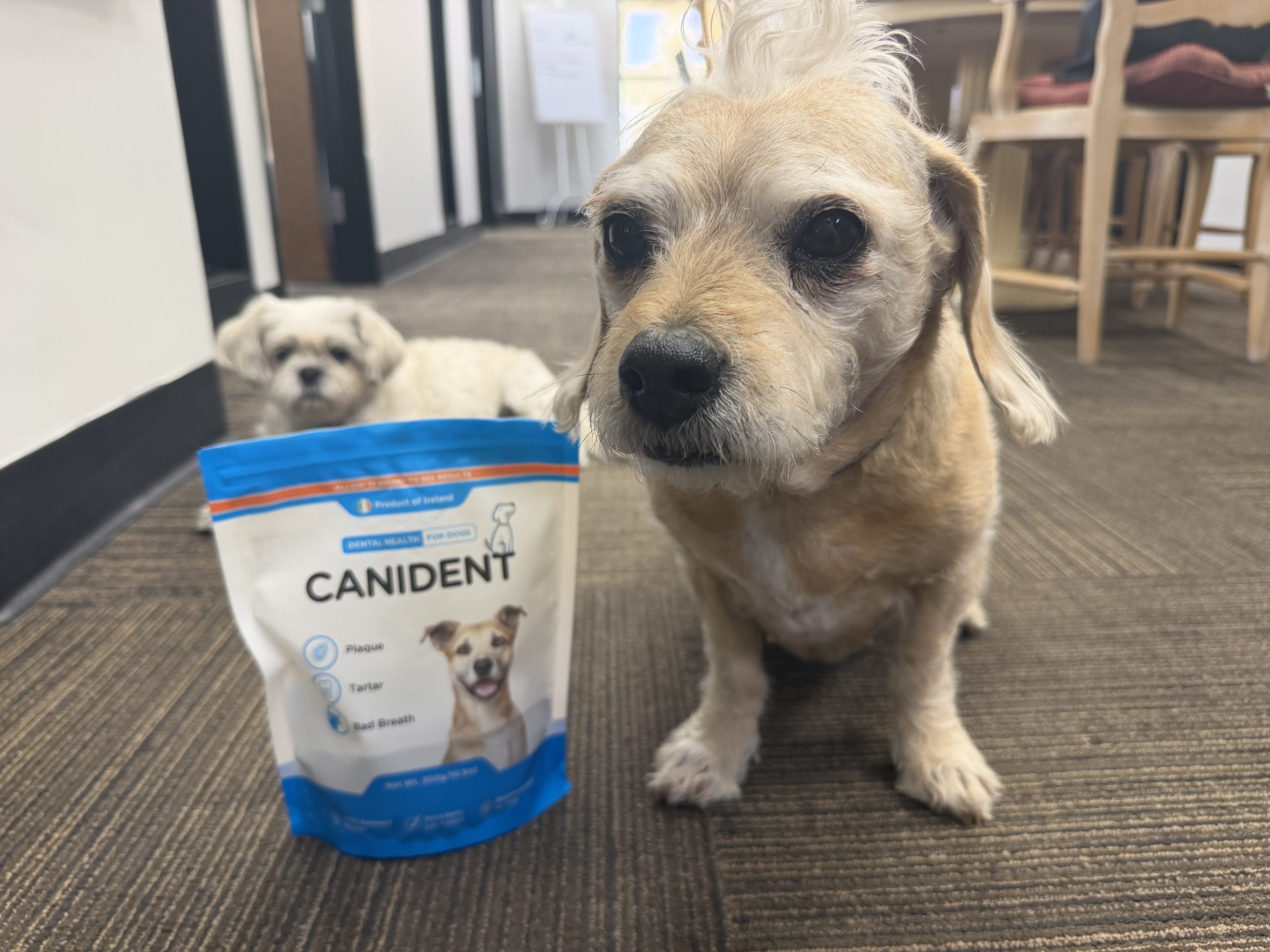
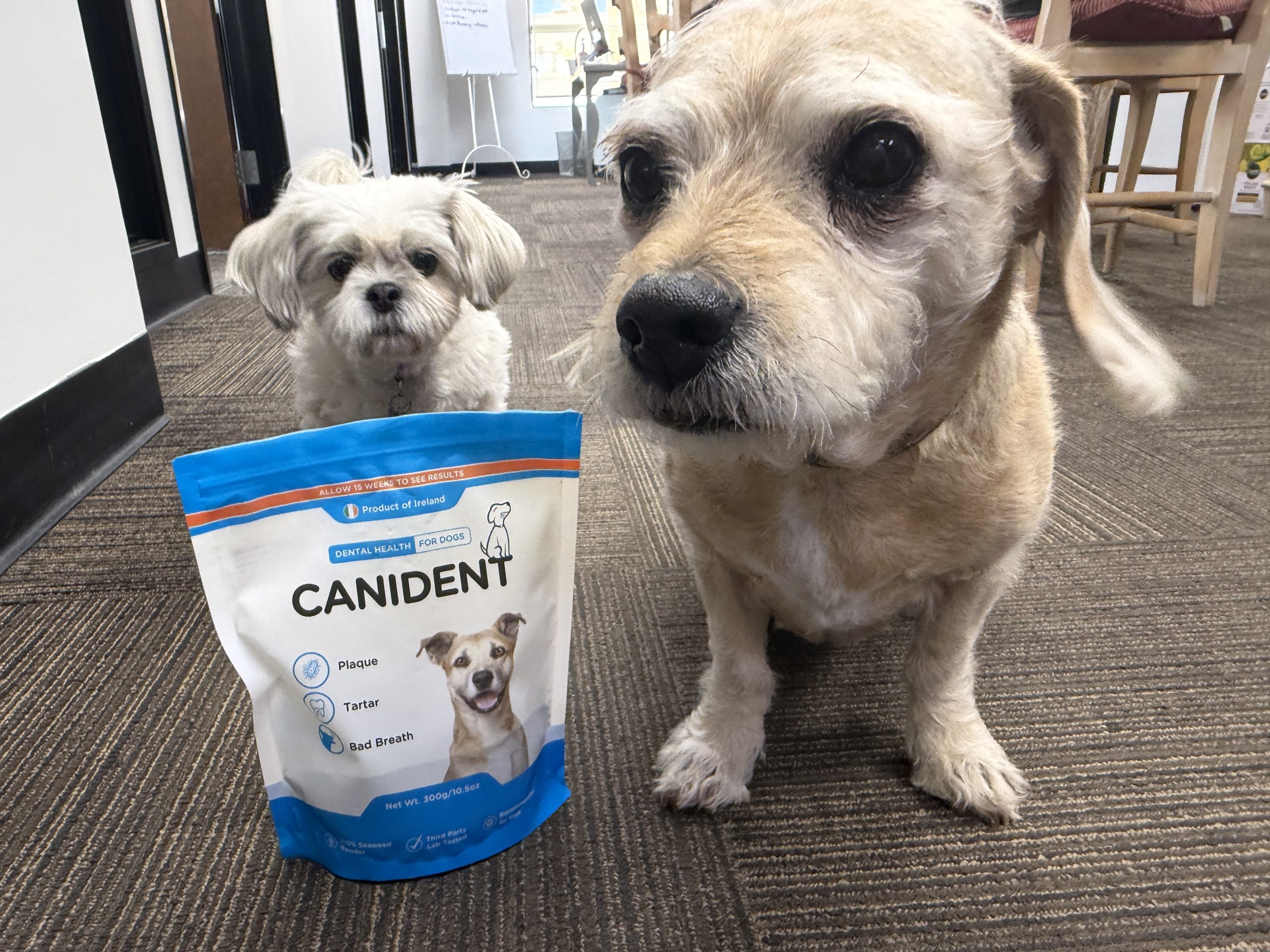
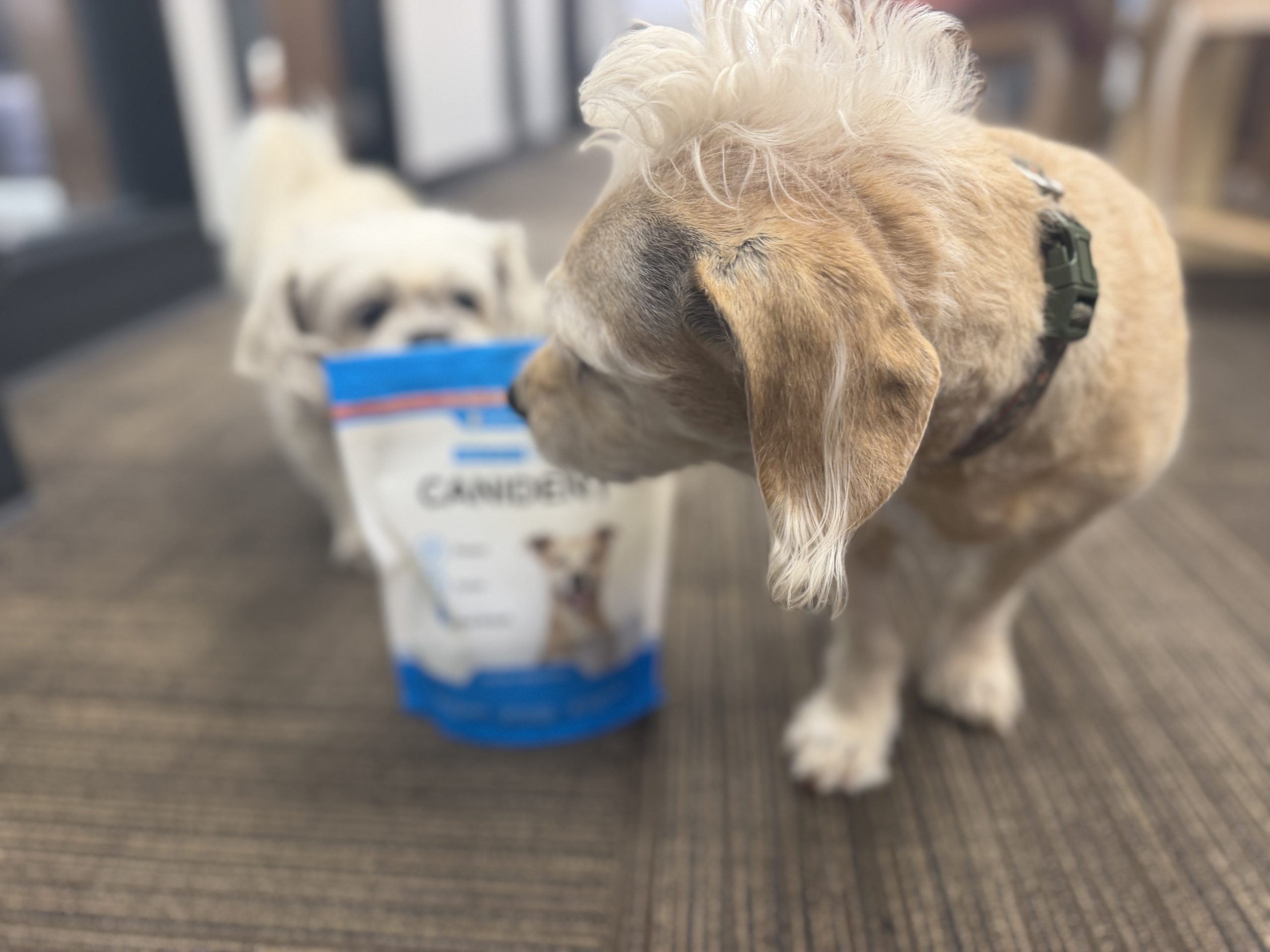
In June, I began adding Canident Dog Dental Powder, made with organic Irish seaweed, to the food of my 15-year-old terrier-spaniel, Laurie. Now, four months later, I’ve noticed a difference in her teeth.
Laurie has significant dental buildup, and while the powder certainly hasn’t eliminated all the plaque, the improvement I’ve observed is noticeable. That prompted me to take a closer look at why seaweed is being used in canine dental products and what pet owners should know about its potential benefits.
Not all seaweeds are the same, but certain varieties contain bioactive compounds that may help support oral health. One of the most studied for canine dental care is Ascophyllum nodosum, a brown seaweed native to the North Atlantic.
Unlike dental chews that rely on mechanical action to help clean teeth, seaweed-based dental supplements are intended to work after consumption. Research suggests that Ascophyllum nodosum may help reduce plaque and tartar accumulation and improve breath, although results can vary.
Plaque is a sticky film of bacteria that continually forms on teeth. If it isn’t adequately removed, it can harden into tartar, which is more difficult to eliminate and can contribute to gum inflammation and periodontal disease. While certain seaweed supplements may help support a dog’s dental routine, established tartar generally requires professional veterinary treatment.
Seaweed encompasses several groups of marine organisms, each with its own composition and potential applications.
Brown seaweeds (Phaeophyceae)
Brown seaweeds include Ascophyllum nodosum, which has been studied for its potential role in reducing plaque and tartar accumulation in dogs. However, the benefits depend on the specific species and formulation used.
Green seaweeds (Chlorophyta)
Green seaweeds contain chlorophyll and various vitamins, minerals and other compounds. Their nutritional composition varies by species, and their potential contributions to animal health depend on the specific seaweed and formulation.
Red seaweeds (Rhodophyta)
Red seaweeds contain various polysaccharides, including compounds studied for their potential prebiotic properties. However, their effects depend on the species and the compounds present, and these properties should not automatically be interpreted as proven benefits for canine health.
For a dental supplement, the specific seaweed species and the evidence supporting its use matter more than the general classification of brown, green or red seaweed.
My experience with Laurie is a personal observation, not a controlled clinical study. I cannot determine precisely how much of the change resulted from the supplement, nor can I promise another dog will experience the same results.
Canident is designed to be sprinkled onto a dog’s food, offering an additional option for owners looking to support their pet’s oral health without relying on brushing alone.
For pet owners exploring ways to support their dog’s dental health, seaweed is an ingredient worth learning about. In Laurie’s case, the visible difference over four months gave me a reason to look more closely at how this type of supplement may fit into her overall dental-care routine.
As always, a veterinarian can help determine the best approach for an individual dog, particularly when age and existing dental problems are part of the picture.