

What if a bucket of ocean water could tell scientists how healthy a dolphin population is?
That’s exactly what researchers in California have discovered. In a new study, scientists found that tiny traces of DNA floating in seawater can reveal not only what dolphin species are nearby, but also how genetically healthy their populations are — without ever touching the animals.
For years, researchers have used “environmental DNA,” or eDNA, to identify marine life in the ocean. Fish, whales, dolphins and other sea creatures constantly leave behind microscopic traces through skin cells, mucus, waste, and even breathing. Scientists can collect seawater samples and analyze the DNA left behind to figure out which animals have been in the area.
Now, researchers say the technology has taken a major leap forward.
Instead of simply detecting dolphin species, scientists can now measure the genetic diversity of dolphin populations — an important clue that helps determine how healthy and resilient a population may be over time. Genetic diversity matters because it can affect how well animals adapt to disease, climate change, pollution and other environmental pressures.
The study focused on dolphin populations around Santa Catalina Island, located off the coast of Southern California. Researchers followed 15 dolphin groups by boat and collected seawater samples near the animals. Back in the lab, they analyzed the floating DNA found in the water.
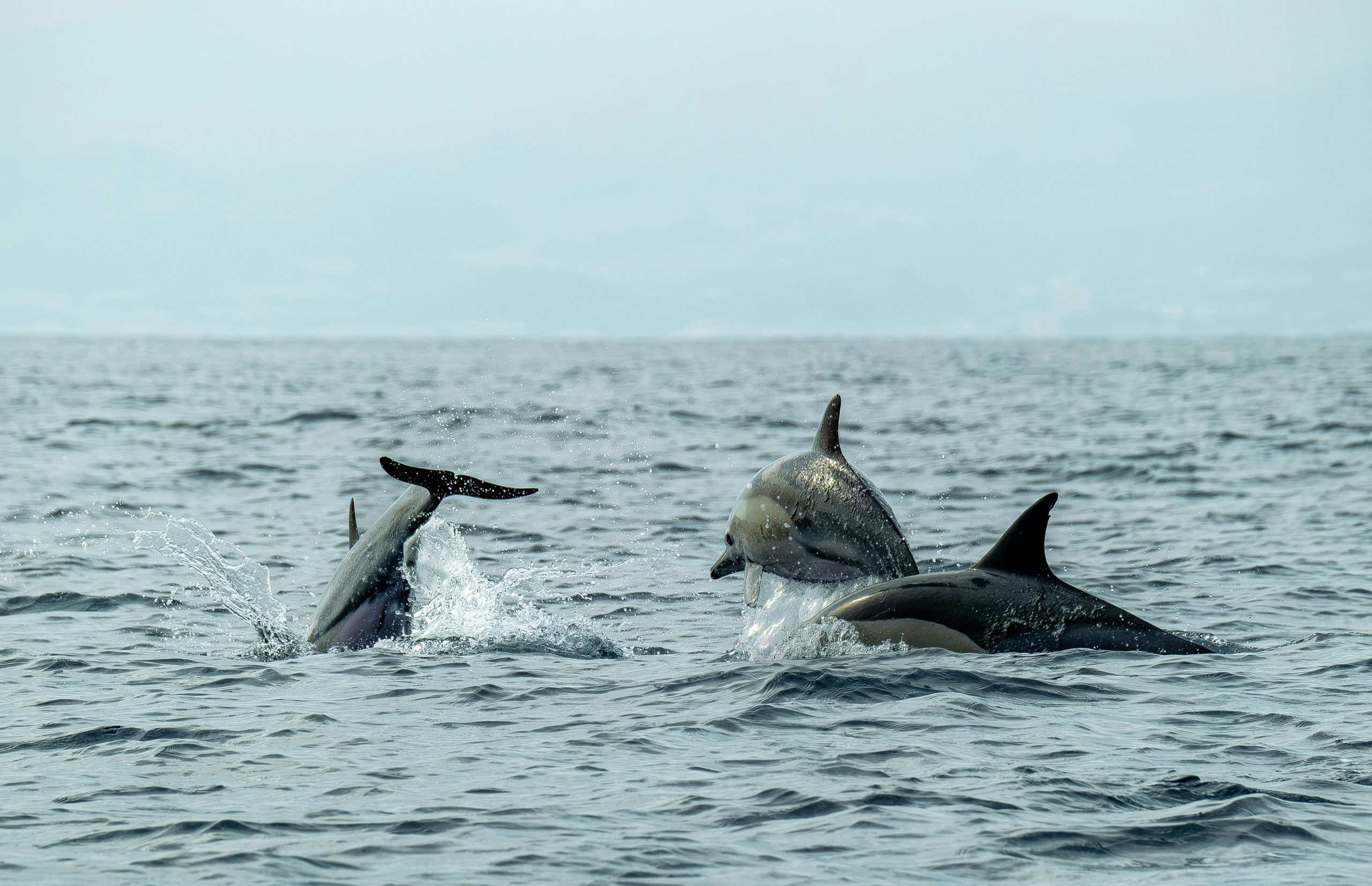
The team studied several dolphin species, including long-beaked common dolphins, short-beaked common dolphins, bottlenose dolphins and Risso’s dolphins. They discovered hundreds of unique DNA variations hidden within the samples.
One surprising finding? Long-beaked common dolphins showed the greatest genetic diversity in the region, while bottlenose and Risso’s dolphins showed less diversity.
Researchers say this breakthrough could dramatically improve marine conservation efforts. Instead of relying only on expensive boat surveys or physically tagging animals, scientists may eventually be able to monitor entire dolphin populations simply by regularly testing seawater.
The method could also help track how pollution, underwater noise, climate shifts and changing ocean conditions affect marine life over time.
In other words, the ocean may already be holding the answers — scientists just needed a way to read them.
Sources