


Health officials around the world are closely monitoring a rare hantavirus outbreak linked to the expedition cruise ship MV Hondius, where three passengers have died and several others have become ill. The outbreak has drawn international attention because the strain involved — the Andes hantavirus — is one of the few known hantaviruses capable of limited person-to-person transmission.
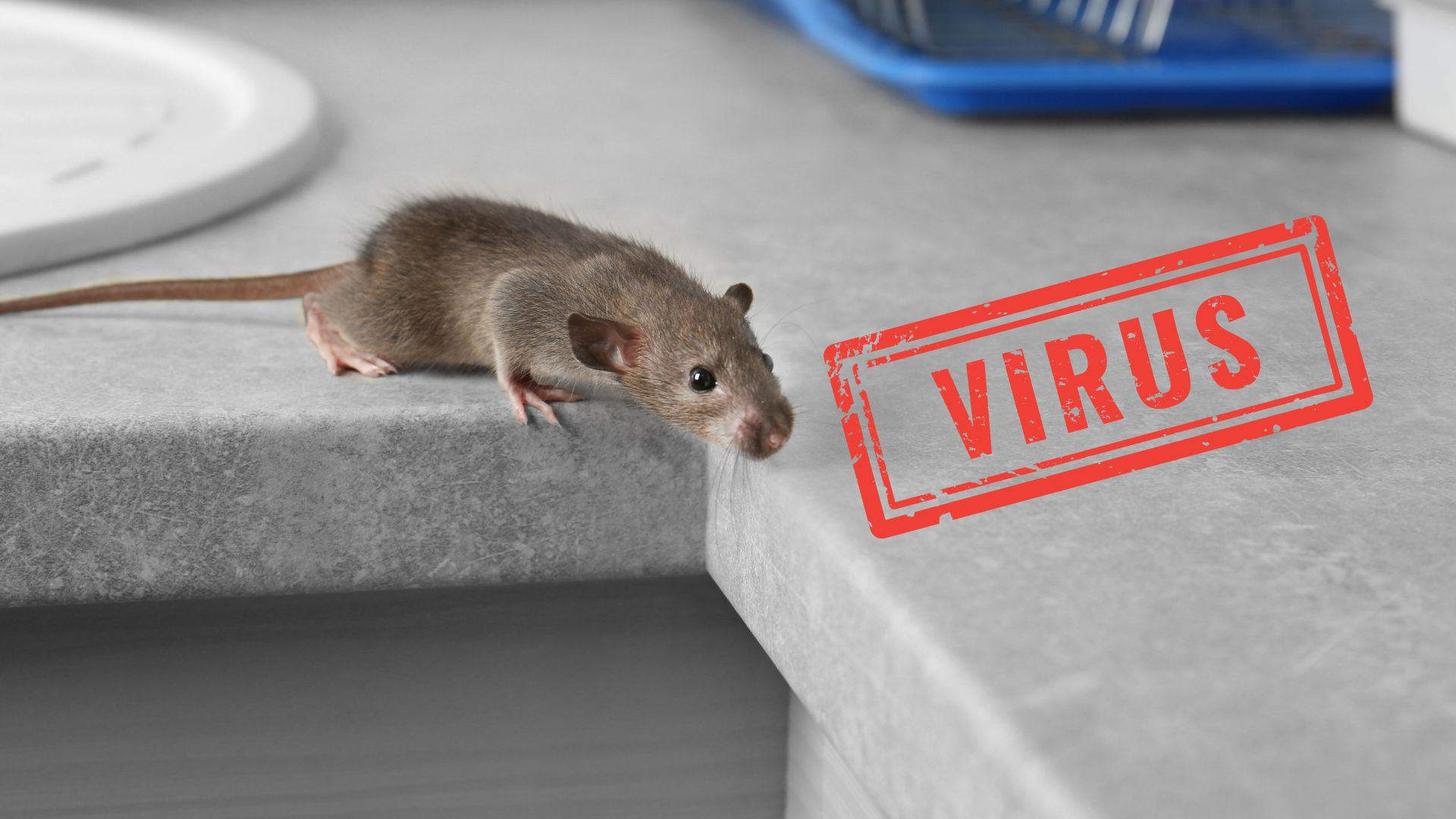
According to the Centers for Disease Control and Prevention (CDC) and the World Health Organization (WHO), hantaviruses are primarily spread through contact with infected rodents, especially exposure to their urine, droppings, or saliva. In the Americas, hantavirus can cause Hantavirus Pulmonary Syndrome (HPS), a severe respiratory illness that can become life-threatening.
Early symptoms often resemble the flu and may include fever, fatigue, muscle aches, headaches, nausea, and chills. In severe cases, patients can rapidly develop coughing and difficulty breathing as fluid builds in the lungs. The CDC notes that symptoms can appear anywhere from one to eight weeks after exposure.
The current outbreak began after passengers aboard the MV Hondius traveled through parts of South America and Antarctica. The WHO reported at least eight confirmed or suspected cases connected to the ship, including three deaths involving two Dutch passengers and one German national. Several additional passengers were evacuated for treatment, while health authorities in multiple countries continue contact tracing and monitoring travelers who already returned home.
Investigators believe at least one infection may have originated before boarding the cruise, possibly during travel in Argentina, where the Andes strain is endemic. Human-to-human spread remains considered rare and generally requires close, prolonged contact. The WHO currently considers the overall public health risk to be low.
There is currently no specific cure or vaccine for hantavirus. Treatment focuses on supportive medical care, especially early respiratory support for severe cases. Health experts continue to emphasize prevention through rodent control, proper cleaning of rodent-contaminated areas, and avoiding exposure to rodent waste.