

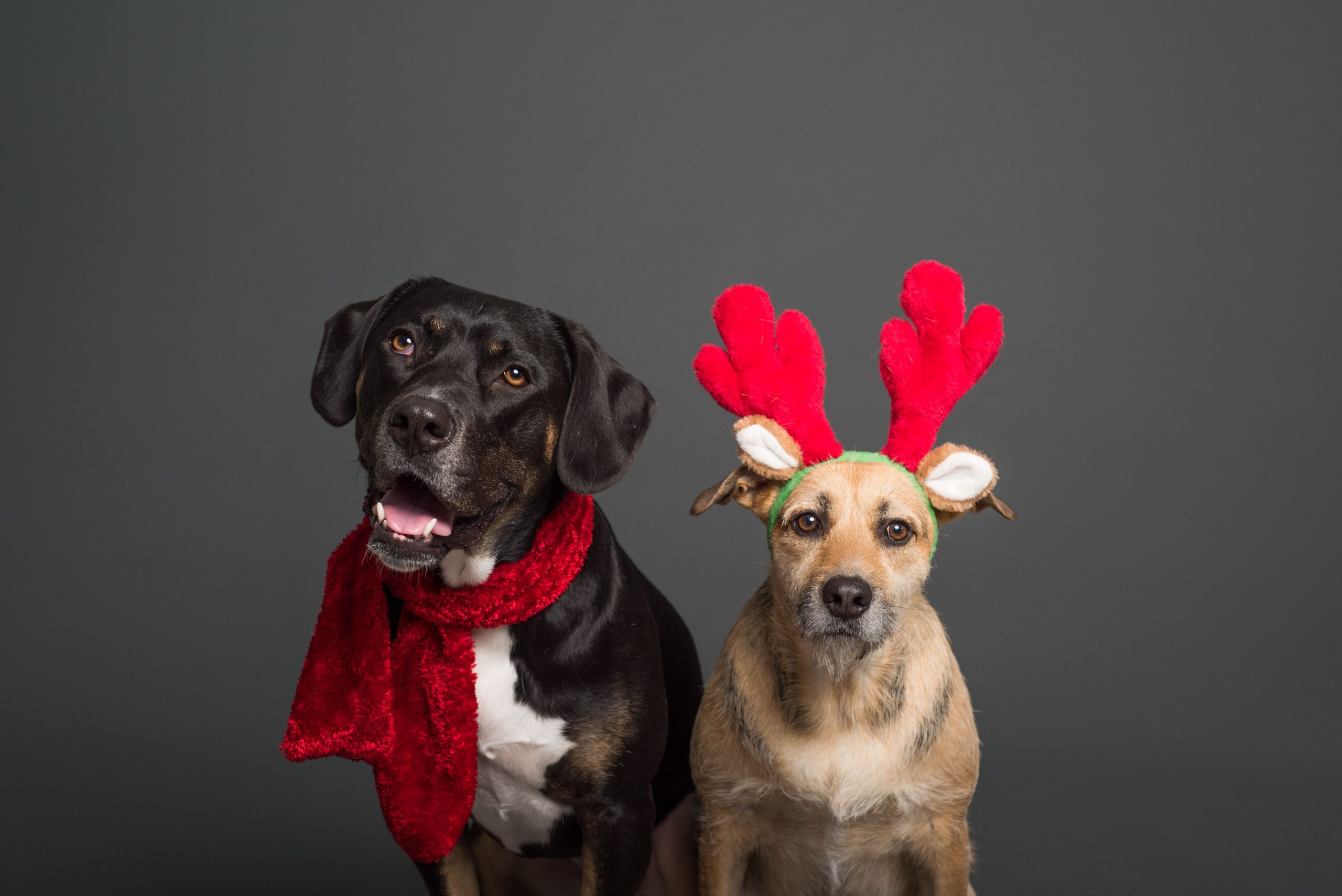
As Thanksgiving approaches, pet owners are being reminded to take extra precautions to protect their dogs and cats from the food, decorations, and other seasonal hazards that accompany the holiday celebrations.
Thanksgiving marks the beginning of a season filled with family gatherings, festive meals, and holiday decorations. However, many cherished holiday traditions can pose serious health risks to pets. The LSU School of Veterinary Medicine is urging pet owners to remain vigilant and take precautions to keep their dogs and cats safe throughout Thanksgiving, Hanukkah, Christmas, and New Year’s celebrations.
Each year, veterinarians at the LSU Veterinary Teaching Hospital see an increase in digestive problems during the holiday season. Many of these emergencies can be prevented by ensuring that dangerous foods, decorations, and other potential hazards remain out of pets’ reach.
Thanksgiving: Keep Holiday Foods Away From Pets
Sharing a holiday meal with pets may seem like a way to include them in the festivities, but many traditional Thanksgiving foods can cause serious illness.
Turkey bones are particularly dangerous because cooked bones can splinter, causing choking, injuries, or obstructions in the digestive tract. Turkey skin, gravy, and other fatty foods can also create serious problems, including vomiting, diarrhea, and pancreatitis, a potentially serious inflammation of the pancreas.
Other ingredients commonly found on Thanksgiving tables require equal attention. Onions, garlic, and related ingredients, often used in stuffing, casseroles, and gravies, are toxic to dogs and cats and can damage red blood cells, potentially causing anemia.
Grapes and raisins, which may appear in salads, baked goods, and other holiday dishes, can cause acute kidney failure in dogs. Chocolate desserts also present a significant danger. Chocolate contains theobromine and caffeine, which can cause vomiting, diarrhea, agitation, elevated heart rate, high blood pressure, and seizures.
Unbaked bread dough containing yeast can expand inside a pet’s stomach and produce alcohol, potentially causing life threatening complications. Pet owners should also be mindful of sugar free desserts and candy, as some products contain xylitol, a sweetener that can cause dangerously low blood sugar and liver damage in dogs.
Trash cans should remain secured, and plates and leftovers should never be left where curious pets can reach them.
Christmas and Hanukkah: Watch for Decorations and Treats
The holiday season brings additional risks through decorations, traditional foods, and festive household displays.
Chocolate and candy, including chocolate coins known as gelt, candy dishes, and holiday desserts, should be kept out of reach. Dark chocolate and baking chocolate are especially dangerous.
Traditional holiday foods can also cause problems. Fried and fatty foods such as latkes, sufganiyot (jelly doughnuts), and other rich holiday treats can lead to digestive upset and pancreatitis.
Holiday plants require particular attention. Poinsettias, holly, and mistletoe can cause gastrointestinal irritation or more serious illness, depending on the plant and the amount consumed. Lilies are particularly dangerous to cats and can cause life threatening kidney damage.
Decorations may also become hazards when pets investigate them. Tinsel, ribbons, and ornaments can be swallowed by cats and dogs, potentially causing choking or intestinal obstructions. Broken glass ornaments can cause injuries.
Electrical cords and lights present another concern, as pets that chew electrical cords risk serious burns or electric shock. Candles and menorahs should be kept away from curious animals because open flames can burn pets or cause fires if knocked over.
Batteries from decorations, toys, and other holiday items can cause serious internal injuries if chewed or swallowed.
Holiday Gatherings: Reduce Stress and Prevent Escapes
Food and decorations are not the only concerns during the holidays. Visitors, unfamiliar surroundings, and changes in household routines can create stressful situations for pets.
Providing a quiet retreat gives pets a comfortable, secure place away from loud gatherings and unfamiliar visitors. Pet owners should also pay close attention to doors and gates as guests come and go, since animals may slip outside unnoticed. Identification tags and microchip contact information should be kept current.
Guests, particularly children, should be reminded not to share food or treats with pets without permission.
Personal belongings brought into the home can also contain potential hazards. Visitors’ purses, luggage, and coats should be kept secured because they may contain medications, candy, or other items that could harm pets.
Cold Weather: Protect Pets From Freezing Temperatures
Although Louisiana generally experiences mild winters, temperatures can drop below freezing during December, January, and February. Pet owners should be prepared to protect their animals when colder weather arrives.
Outdoor pets should be brought inside when freezing temperatures are forecast, particularly during hard freezes. Pets should also have access to warm, dry shelter and fresh, unfrozen water.
Puppies, kittens, senior pets, and animals with medical conditions require special attention because they may be more vulnerable to cold temperatures.
Antifreeze must also be kept away from pets, as it is highly toxic even in small amounts.
What to Do If Your Pet Becomes Sick
Recognizing the warning signs of possible poisoning or ingestion of a foreign object is important. Symptoms may include:
- Vomiting or diarrhea
- Abdominal pain or bloating
- Lethargy or weakness
- Agitation or unusual behavior
- Increased thirst
- Rapid heart rate
- Tremors or seizures
If a pet is suspected of eating something toxic or swallowing a foreign object, owners should contact their veterinarian immediately and should not wait for symptoms to appear. Delaying treatment can lead to serious complications.
Pet owners should never induce vomiting or administer home remedies unless specifically instructed to do so by a veterinarian or animal poison control professional.
As families prepare for the holiday season, taking a few preventative measures can help protect four legged family members from avoidable emergencies and keep Thanksgiving, Hanukkah, Christmas, and New Year’s celebrations safer for everyone.
The LSU Veterinary Teaching Hospital, located on Skip Bertman Drive in Baton Rouge, provides emergency veterinary care 24 hours a day, seven days a week, 365 days a year, including holidays.
For emergency veterinary care, call 225-578-9600 or visit www.lsu.edu/vetmed.
Additional poison-related resources include:
- ASPCA Animal Poison Control: www.aspca.org/pet-care/animal-poison-control
- Pet Poison Helpline: www.petpoisonhelpline.com
Both services offer 24-hour assistance. Consultation fees may apply.