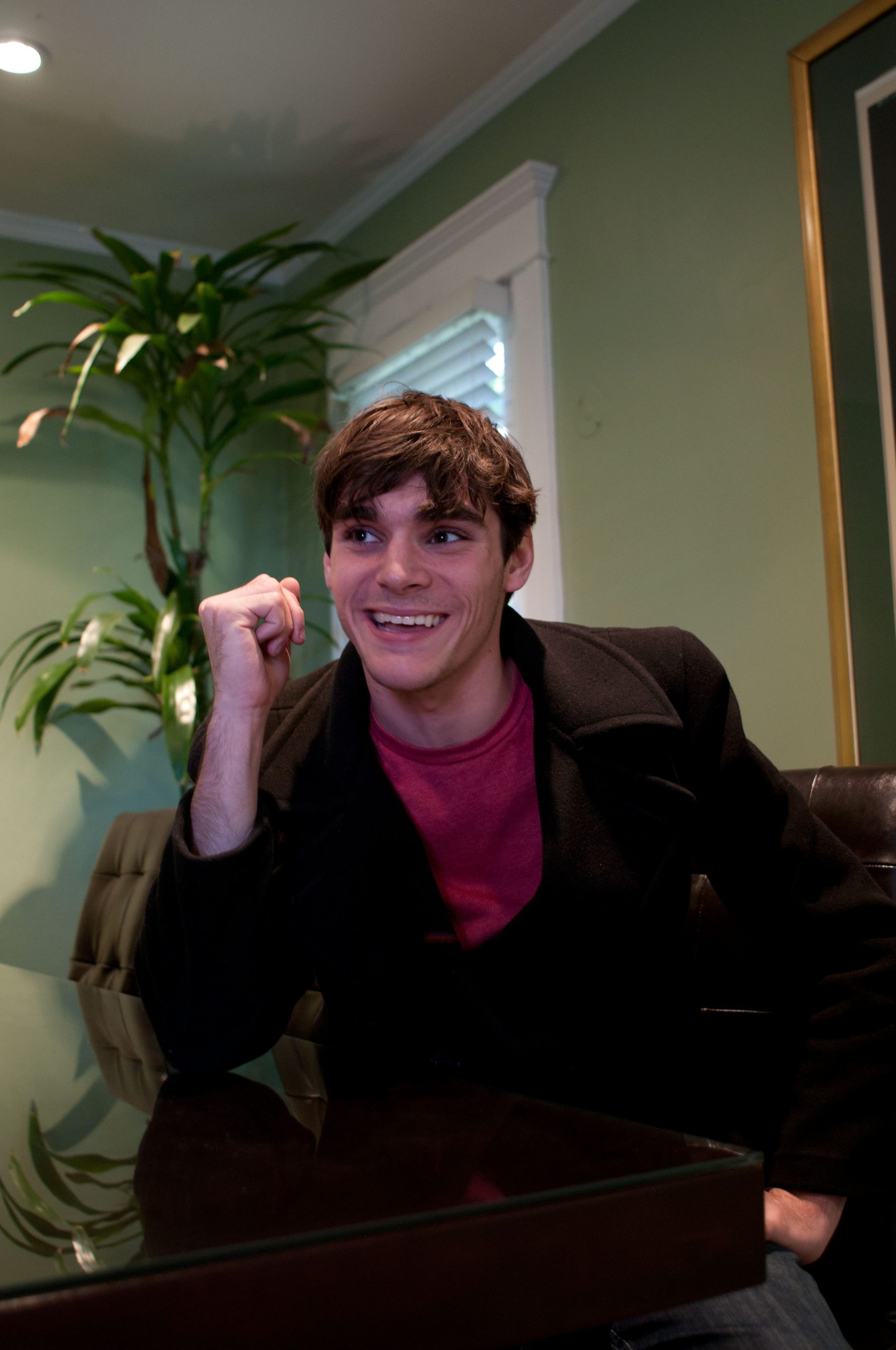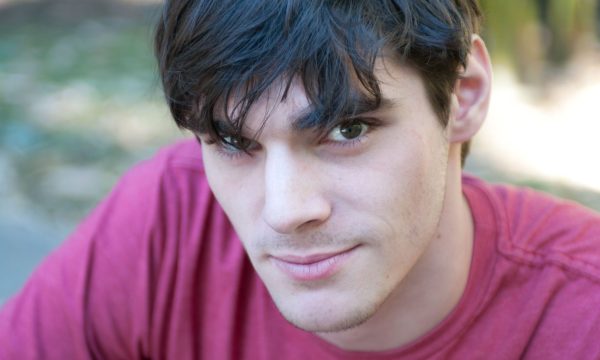


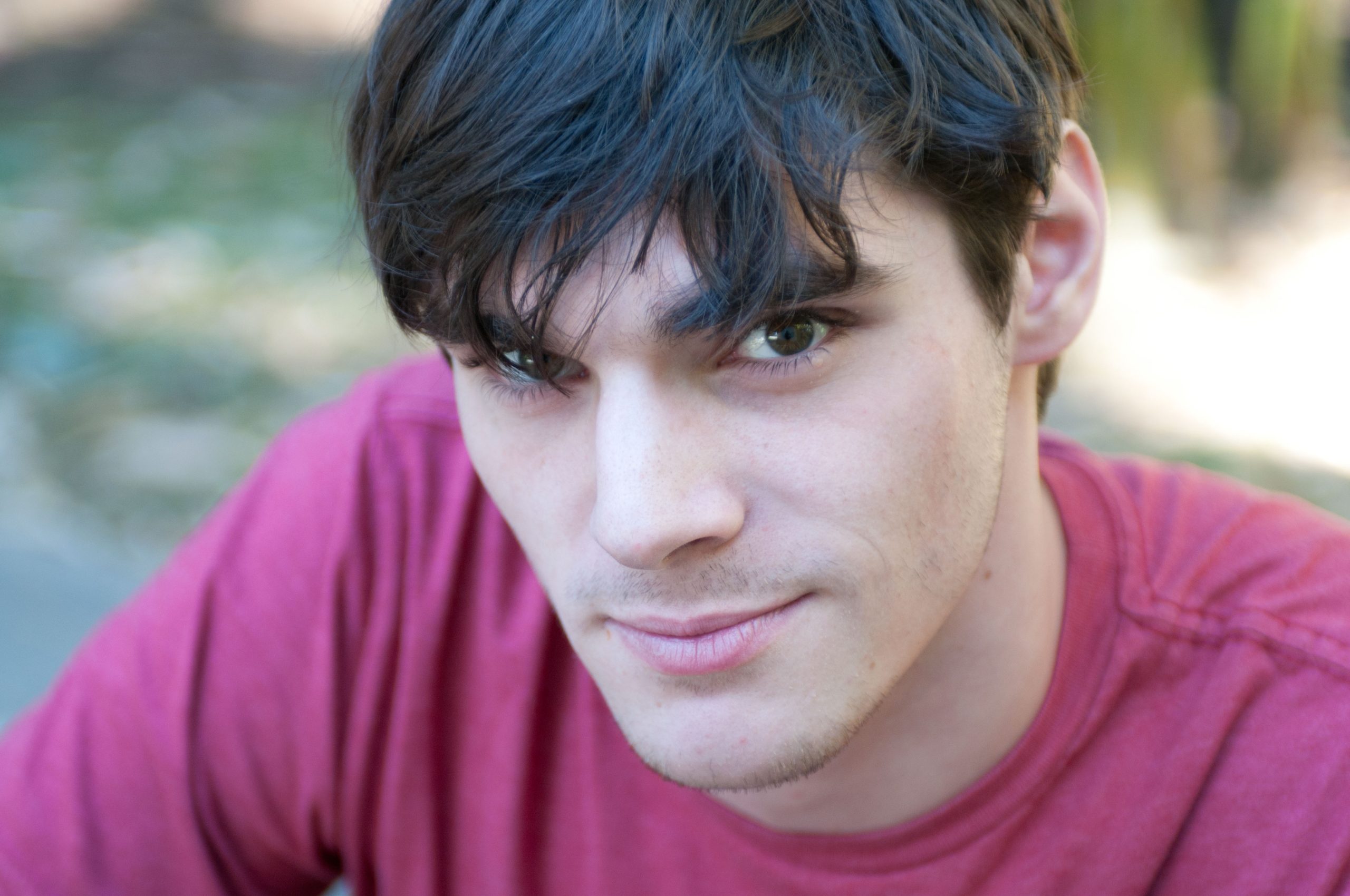
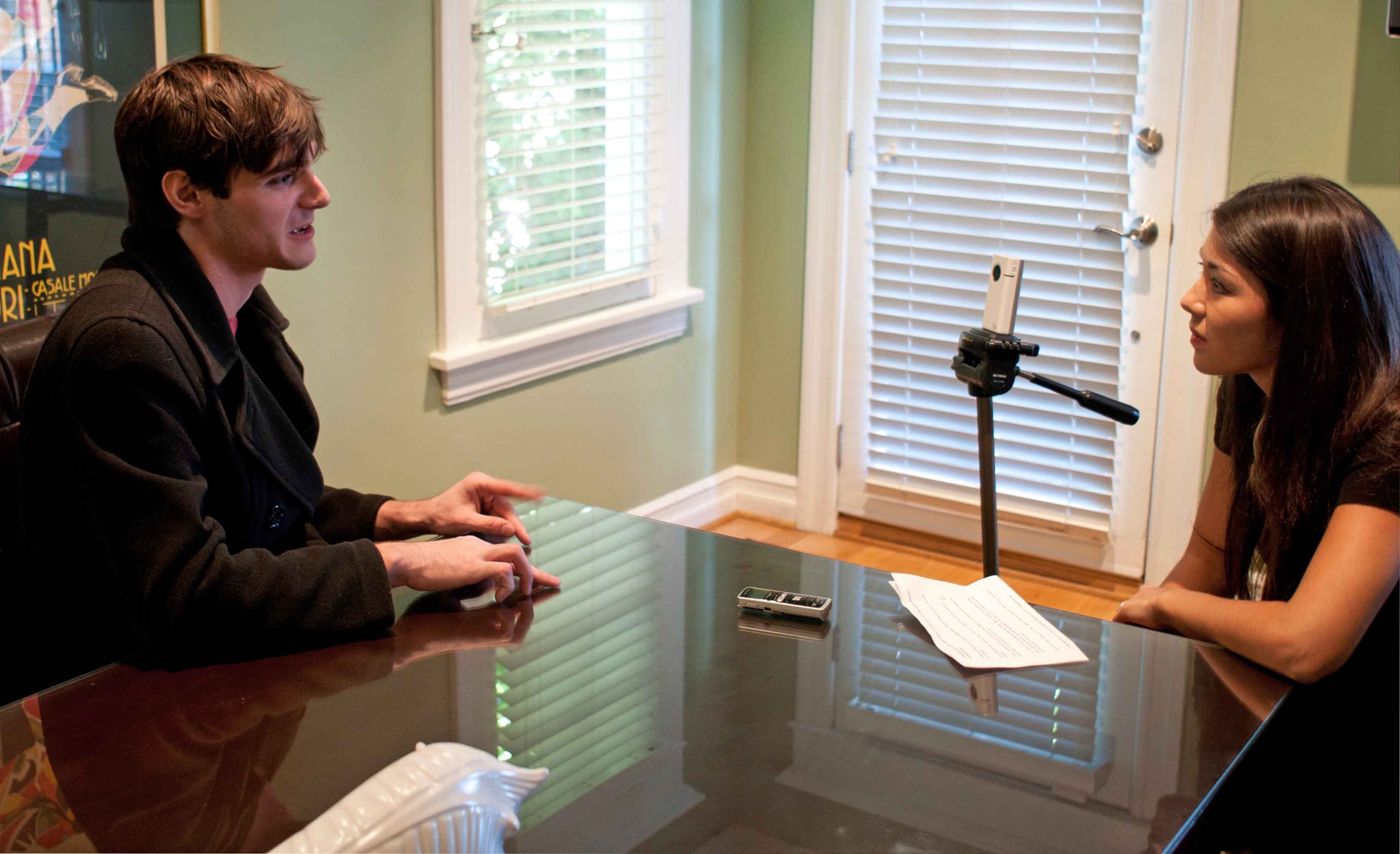
When I learned of RJ Mitte’s passing at just 34 years old, I found myself reflecting on a sunny November day in Los Angeles in 2012, when I interviewed the young actor at the height of his success on AMC’s Breaking Bad.
Armed with nothing more than a recorder and a Flip camera (the technology of the time), I sat down with the actor millions knew as Walter White Jr., the son of Bryan Cranston’s character. But what stayed with me had little to do with Hollywood or the show’s success. It was his perspective on life.
RJ was remarkably wise beyond his years. Thoughtful, candid and ambitious, he spoke with a maturity rooted in perseverance, individuality and hard work.
Living with cerebral palsy, a condition he shared with his character, RJ spoke openly about his childhood challenges, including spending months at a time with both legs in casts. Yet he refused to let those experiences define his limitations.
“It’s about working, working, and working. The thing is people don’t really get it. A disability doesn’t mean you’re disabled. You can conquer anything, it’s just about having enough mind power and gall to fight and to just be able to fight through the pain of pretty much trying to control your body. It was so weird the other day. I was practicing on the piano and I was doing ‘ABCDEFG,’ and then I switched to my left hand. I was just trying to get it down. It took 30 seconds to do what took 5 seconds on my right hand. Once you’re getting past that, you can start chiseling away and go from there,” he told me.
He wasn’t interested in dwelling on what he couldn’t do. He was interested in discovering what he could accomplish next.
RJ’s success on Breaking Bad had given him an extraordinary opportunity to learn from some of the industry’s most respected performers.
When I asked about working alongside Bryan Cranston and Anna Gunn, his response was filled with gratitude rather than ego.
“I’m really honored to be able to work with the crew and cast we have. Their work shows for itself. The only reason why I’m a tenth as good as they are is because I get to work with them. Going from where I was as an actor in the pilot and before the pilot to where I am now. I’m a completely different person. I’ve learned so much and I’m still learning. It’s really interesting to see how sets vary. You can see with a professional crew, where even through there may be all this insanity or if someone’s fighting or if something’s going on, it’s about pulling it together for the greater good of the show, and for the greater good of the people you work with. I’ve been lucky enough to work in this industry where I’ve never had to deal with the bullshit. Thank God. I’ve been so drama free in the acting business,” RJ said.
He was already executive producing a documentary and wanted to understand directing, photography, producing and storytelling.
“I find the best way to understand this industry, to me at least, is to know everything about it.”
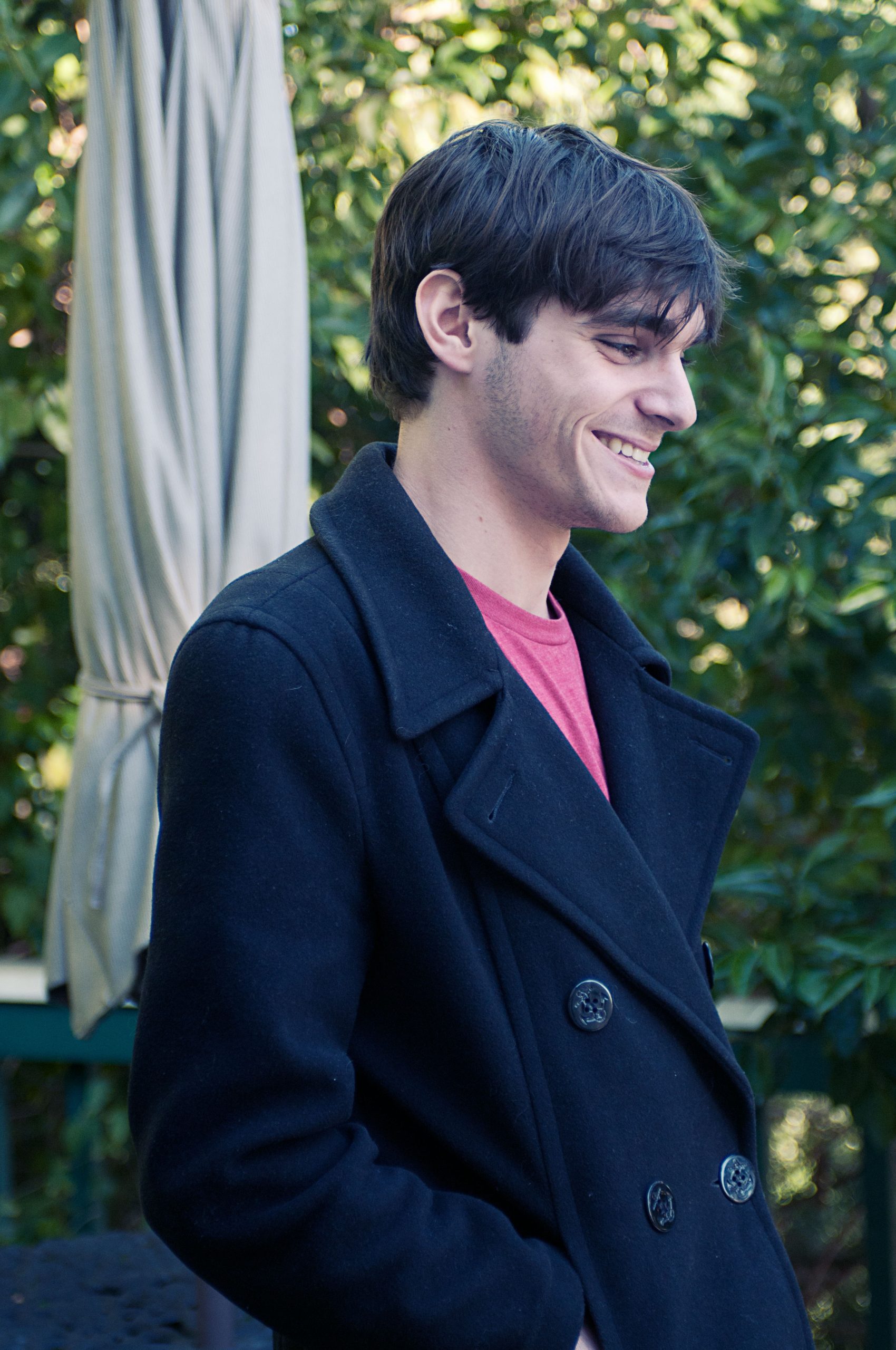
Perhaps the most memorable part of our conversation came when we discussed disability representation, diversity and the importance of pursuing one’s own ambitions.
RJ had participated in the documentary CinemAbility, which explored the representation of people with disabilities in entertainment. He believed diversity went far beyond the categories people traditionally associated with the word.
“CinemAbility was about showing diversity in the arts and media. I’m all for diversity in the arts and the media because I feel that there’s not enough diversity out there. Yes, there is to a certain degree, but not to the degree that people actually notice when it comes to physicality and to disability. Everyone thinks of diversity as skin color and the typical labels. When I think of diversity, I think of not just that, but I think of physicality. I think of wheel chairs, and I think of crutches. Everyone is diverse in his or her own way. It’s about finding your uniqueness and it’s about finding your niche in the world. And having a disability is not always a good thing, but that’s what makes you, ‘you’. You can’t change who you are. You don’t know why it’s there and you don’t know what caused it to be there, but it’s there. There are so many people who try to hide it and people who try to dumb down diversity, especially with disabilities. My biggest thing is no, you can do anything as long as you have a goal and as long as you have an idea of what you want. You don’t need to know exactly what you want, because no one knows exactly what they want. But you need to at least have a direction,” RJ told LATF.
He questioned why more people didn’t follow through on their ideas, particularly when technology had made creative expression more accessible than ever.
When I told him he seemed to have a good head on his shoulders, he said:
“I try. My biggest thing is that there’s so much going on in our society. There’s so much going on in our world that we don’t need to be projecting our issues onto other people. I don’t think of myself as an activist. I think of myself as trying to talk to people about getting away from activists, and just trying to live their own lives. If people would get out of everyone else’s life, and start trying and live their own, there’d be so many more interesting stories, and that’s the problem—I feel—today. So many people are trying to watch other people’s stories, and not come up with their own. Yes, everyday people are making up new stories, but no one’s really following through with their stories. Everyone is like, ‘Oh, I have this great idea!’ Why don’t you do it? It’s actually not that hard these days to make a movie. We have flip cameras; we have iPhones; we have everything. We can pretty much make a full movie with house lighting, a cell phone, and one decent mike. That’s really all you need to make anything you want,” he said.
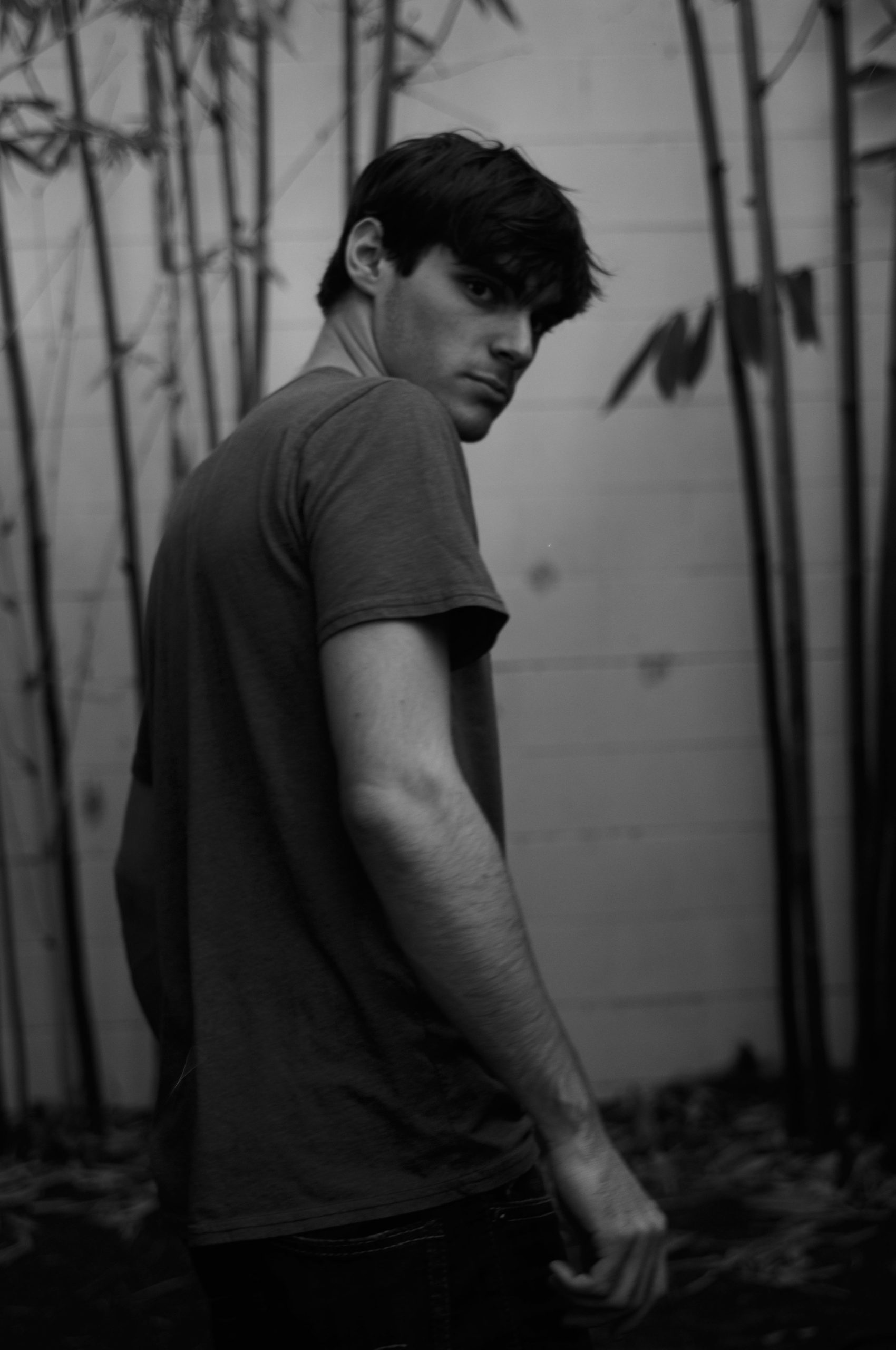
“There are a handful of people who go out and make a difference. But there are so many people who go out, but they only go out so far, and then they turn back around,” RJ added.
RJ had a wonderful sense of humor. He told me he loved sleeping, playing video games and learning unusual new skills.
He had taken ballroom dancing lessons during two seasons of Breaking Bad, practiced karate and was learning the ukulele.
When I asked why he had started ballroom dancing as a teenager, he joked that it was one of the closest things you could get through sports to the opposite sex.
He laughed easily and didn’t seem particularly interested in presenting some carefully manufactured Hollywood persona.
He was simply himself.
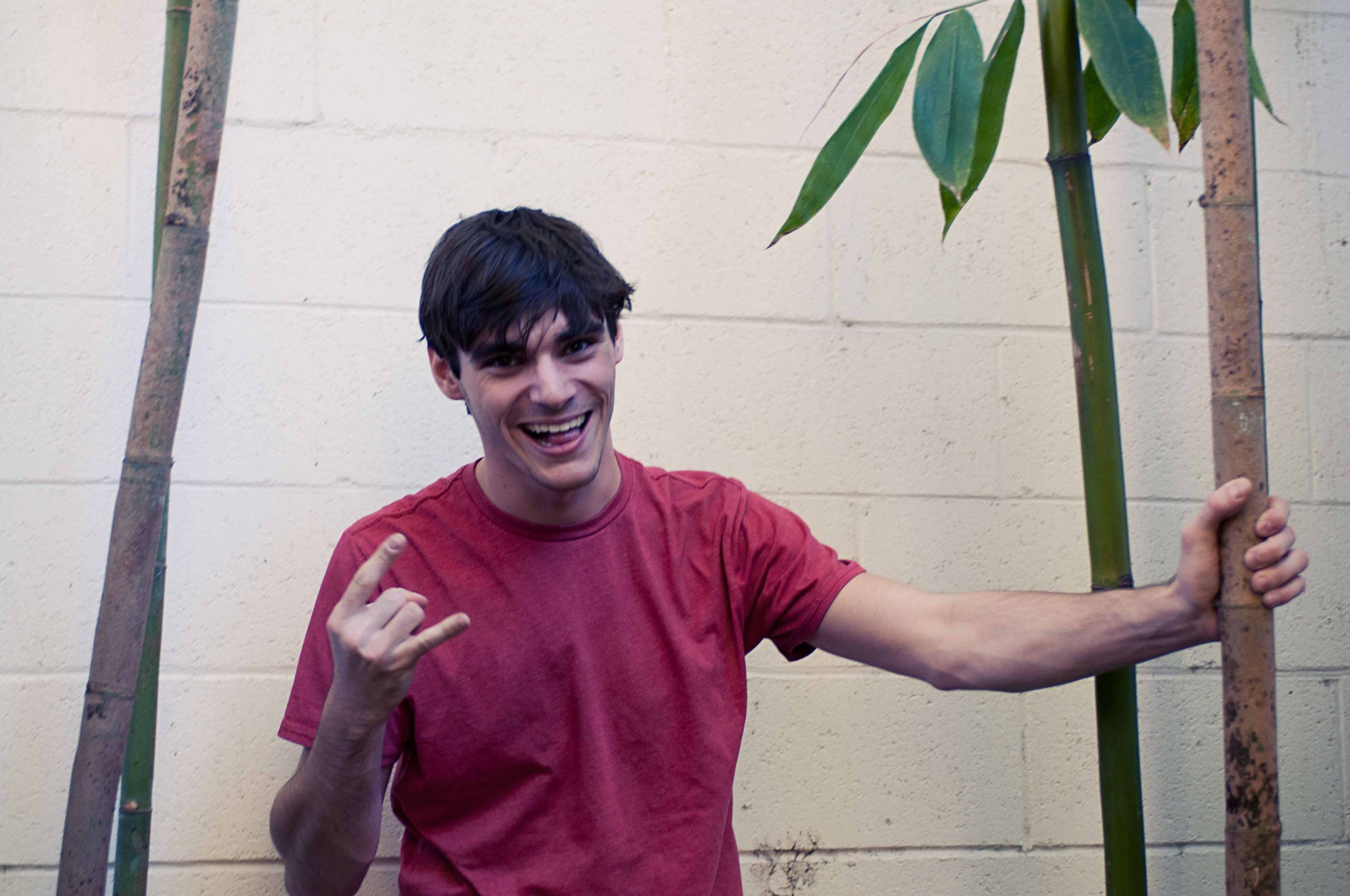
And when I asked him about his pet peeves, his answer revealed another side of his upbringing.
“I cannot stand bad etiquette. I’m really big on etiquette. It was just how I grew up because of my grandfather.”
Behind the television success was a young man who valued family, good manners, hard work and the way people treated one another.
Looking back on that sunny November afternoon in Los Angeles, I feel fortunate to have met RJ at such a pivotal moment in his career. What stays with me isn’t simply the success he had achieved at such a young age, but the wisdom he carried and his determination to keep learning, growing and challenging himself.
Today, as we remember RJ Mitte, I hope people will look beyond the character he portrayed and listen to the young man behind it. His words about perseverance, individuality and finding one’s own path are just as meaningful today as they were when he first shared them with me.
And perhaps that’s the most fitting way to remember him… through his own words.