

There was a time when food critics did not always have a face to the name. Restaurants chasing a glowing review—or a coveted Michelin star—never knew when a critic might walk through the door, so they stayed sharp at all times. The critic dined incognito, often paying out of pocket on a publication’s budget, protected by an anonymous byline. That uncertainty was part of the craft. Today, that mystique has largely disappeared.
Many eateries—whether fine dining institutions or trendy coffee shops—now brace for a very different arrival: a ring light, an iPhone stand, and the expectation of a complimentary meal. The review is filmed in real time, the verdict immediate, and the audience massive.
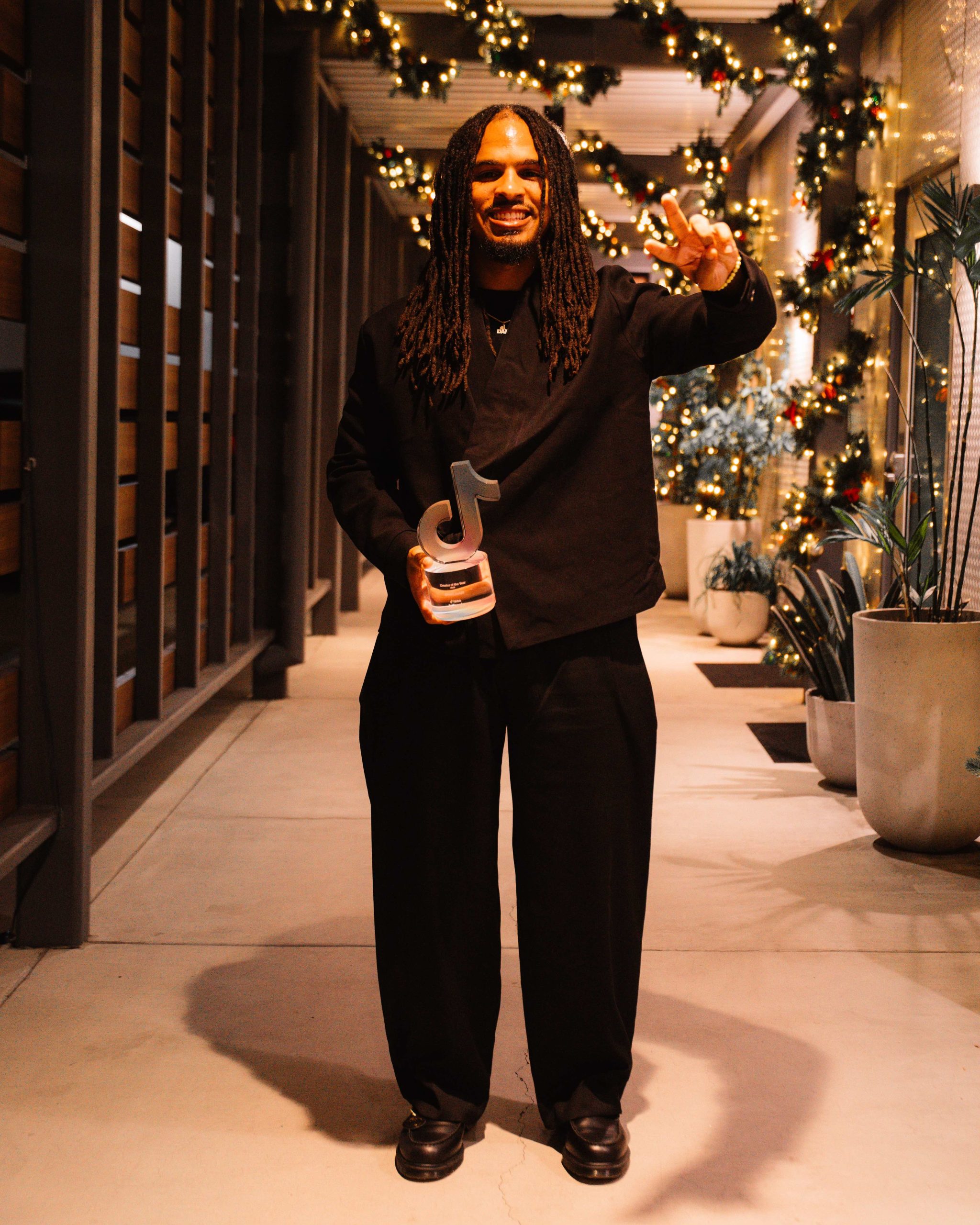
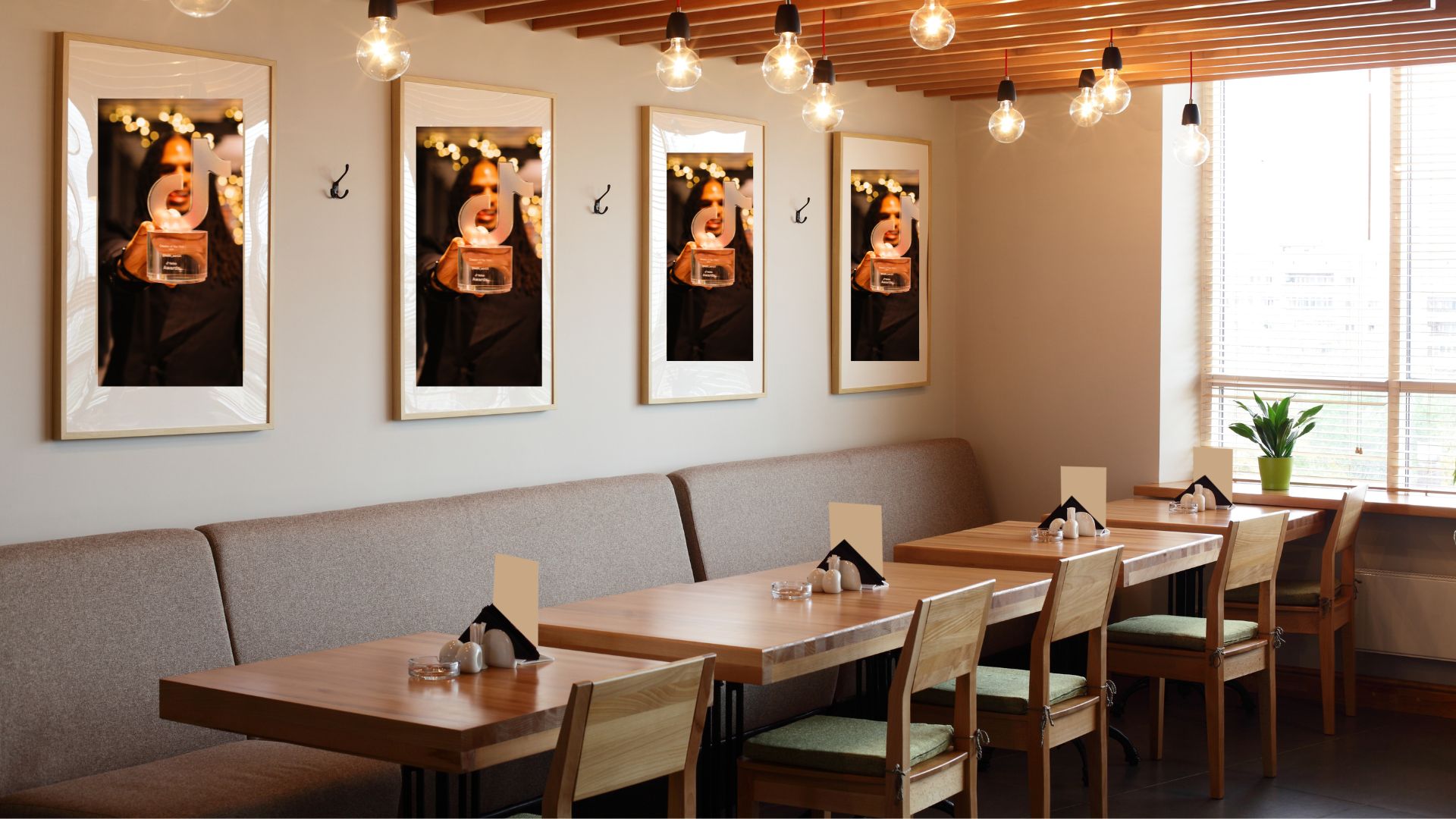
That shift was formally cemented this week when influencer and food critic Keith Lee was named Creator of the Year at the first-ever U.S. TikTok Awards. The honor recognizes Lee’s influence as one of the platform’s most trusted voices.
What does set Lee a part from other food influencers is that his posts are —for the most part – unsponsored-feeling food reviews and a clear commitment to spotlighting small businesses. His rise has reshaped how audiences discover restaurants and how restaurants prepare to be discovered. Oftentimes you’ll see Lee sitting in his car, trying the food and giving his viewers an idea of the amount of money he spent, from $10 to $40.
Lee’s impact extends beyond short-form reviews. He recently announced his first-ever Familee Day Food Festival, set for May 16 in New Orleans, bringing together local restaurants, creators, and fans in a community-driven celebration of food and culture. Earlier this year, he was also named to TIME Magazine’s TIME100 Creators list and recognized by Complex, further underscoring his reach across digital media.
Accepting the award, Lee reflected on the unlikely path that brought him there, crediting TikTok for giving him a platform to elevate small businesses nationwide—and acknowledging his wife, Ronni, for her constant support.
The question now isn’t whether influencers have changed food criticism—they clearly have. It’s whether the era of anonymous, publication-funded critics is gone for good.
Are influencers the new critics forever?