



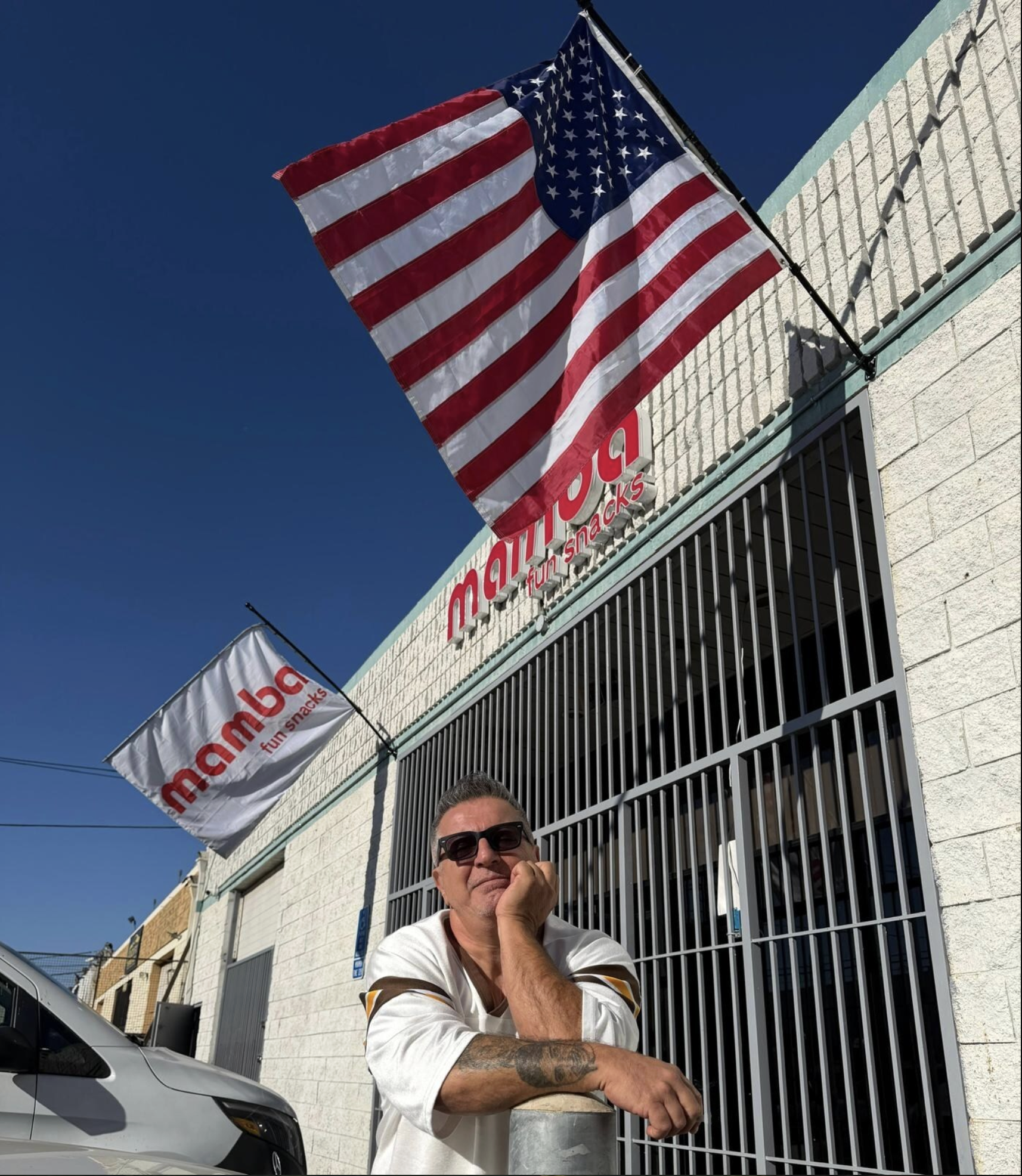
As legal uncertainty and public concern continue to ripple through the U.S. hemp market, industry leaders are sounding the alarm over what they describe as a rapidly expanding but dangerously unstructured sector. At the center of that conversation is Dino Awadisian, CEO of The Mamba Brand, who is calling for immediate nationwide standards governing hemp manufacturing, verification, and retail practices.
In a newly released Q&A, Awadisian warns that without meaningful oversight, the booming hemp industry is heading toward a self-inflicted collapse. While sales continue to climb, he notes that consumer confidence is eroding at an alarming rate. According to Awadisian, the problem lies in the absence of enforceable standards that separate legitimate operators from bad actors. With little oversight, virtually anyone can manufacture and sell products under the hemp label, creating confusion, safety risks, and distrust.
Rather than viewing regulation as a threat, Awadisian frames it as the only path to long-term stability. He argues that disorder invites government crackdowns, while structure invites investment and consumer confidence. As mislabeled and unsafe products increasingly surface across the country, lawmakers are more likely to respond with bans than support. In his view, regulation does not restrict opportunity—it safeguards it.
Safety remains one of the most pressing concerns. Awadisian points to the widespread circulation of fake lab reports, inaccurate THC labeling, and the near-total lack of age verification across many retail environments. Products that would fail even basic regulatory scrutiny are reaching consumers unchecked, a situation he believes undermines the credibility of the entire category. If a product cannot withstand oversight, he argues, it should never reach a store shelf.
Compounding the issue is what Awadisian describes as a readiness gap at the government level. Many federal and state agencies lack the funding, staffing, and laboratory capacity required to enforce emerging hemp laws. As a result, he believes the industry must act proactively rather than waiting for enforcement mechanisms to catch up. Building internal compliance systems now, he says, is essential before regulation arrives in force.
Awadisian outlines a vision for what a responsible and sustainable hemp market should look like: a fully verified supply chain that includes licensed manufacturers, vetted retailers, standardized national labeling, traceable product origins, and real age-verification technology. With these elements in place, he believes hemp can grow legally, safely, and permanently.
For companies still relying on shortcuts, Awadisian offers a blunt warning. The practices that may generate profits today could just as easily trigger shutdowns tomorrow. Consumers are becoming more informed, retailers more selective, and legal oversight increasingly inevitable. According to Awadisian, the window to adapt is closing quickly.
Despite the challenges, he remains optimistic about hemp’s future. With proper accountability and transparency, Awadisian believes the category has the potential to eclipse tobacco in scale and surpass cannabis in innovation. But that future, he cautions, depends entirely on abandoning imitation labs, fake compliance, and unregulated supply chains. In the end, he says, only companies willing to embrace real regulation will survive—and shape what comes next.