

December is shaping up to deliver more than holiday cheer. According to The Old Farmer’s Almanac, this month could bring a striking mix of seasonal weather patterns, a powerful meteor display, and even heightened geomagnetic activity—all while winter blooms brighten homes across the country.
A geomagnetic storm is here. It’s a major disturbance in Earth’s magnetosphere — the region dominated by Earth’s magnetic field — caused when a burst of charged particles from the Sun pushes into the magnetosphere and injects energy into Earth’s space environment.
2025 is part of the peak of the Sun’s roughly 11-year solar cycle, meaning solar magnetic activity — sunspots, flares, CMEs — is elevated. For skywatchers: if a geomagnetic storm coincides with a meteor shower (like the Geminids in mid-December), dark-sky locations and minimal light pollution will give the best chance to catch both meteors and auroras.
A Milder Winter, But Where Will Snow Fall on Christmas?
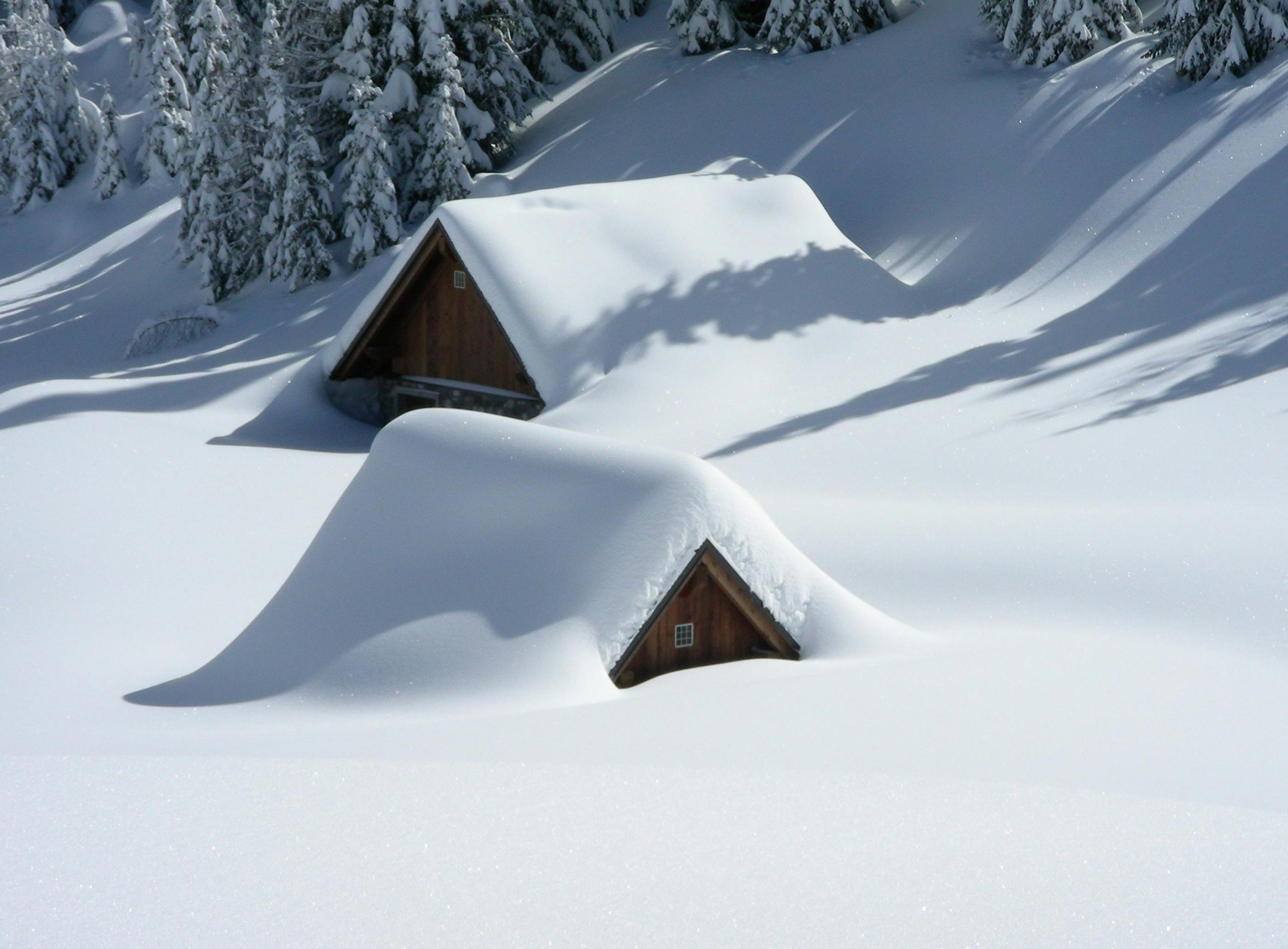
For 2025, the Almanac predicts that much of the U.S. will see a gentler, milder winter. While this reduces the likelihood of widespread snowfall on December 25, the Central region holds the strongest chance of a classic White Christmas. Other areas may still see snow depending on last-minute atmospheric shifts, but overall, the country is trending toward warmer conditions this holiday season.
Geminid Meteor Shower & Possible Geomagnetic Storm Conditions
The Geminid Meteor Shower—peaking December 13–14—already stands as the brightest meteor event of the year, but 2025 may offer an even more dramatic show. With the new Moon on December 12 leaving the sky unusually dark, stargazers across North America could witness up to 150 meteors per hour.
This year’s Geminids also coincide with increased solar activity, raising the potential for stronger geomagnetic conditions. While the meteor shower itself is not caused by geomagnetic storms, simultaneous heightened solar winds can intensify the viewing experience by affecting Earth’s upper atmosphere. If geomagnetic activity spikes, skywatchers may see enhanced atmospheric glow, crisper meteor trails, and in some northern regions, a higher chance of auroral displays visible farther south than usual.
Together, dark skies + peak meteor activity + elevated solar energy could create one of the most visually dynamic Geminid events in years.
How to Keep Your Christmas Tree Vibrant
Live trees remain a holiday staple, but they require attention from day one. The Almanac highlights three key steps:
– Trim at least one inch off the trunk before placing it in water.
– Hydrate immediately—fresh trees dry quickly and may lose their ability to absorb water if neglected.
– Keep the stand full, checking water levels twice daily during the first week.
Consistent care prevents drying, drooping, and needle loss, ensuring the tree stays festive through the season.
Winter Blooms: Nature’s Early Surprise Indoors
For those craving spring color during winter’s shortest days, forcing bulbs indoors continues to be a beloved tradition. Hyacinths, daffodils, primroses, and select tulips bloom beautifully in pots when given the right conditions, bringing fragrance and brightness to homes long before spring arrives. Many bulbs are labeled specifically for indoor forcing, making the process accessible even for beginners.