

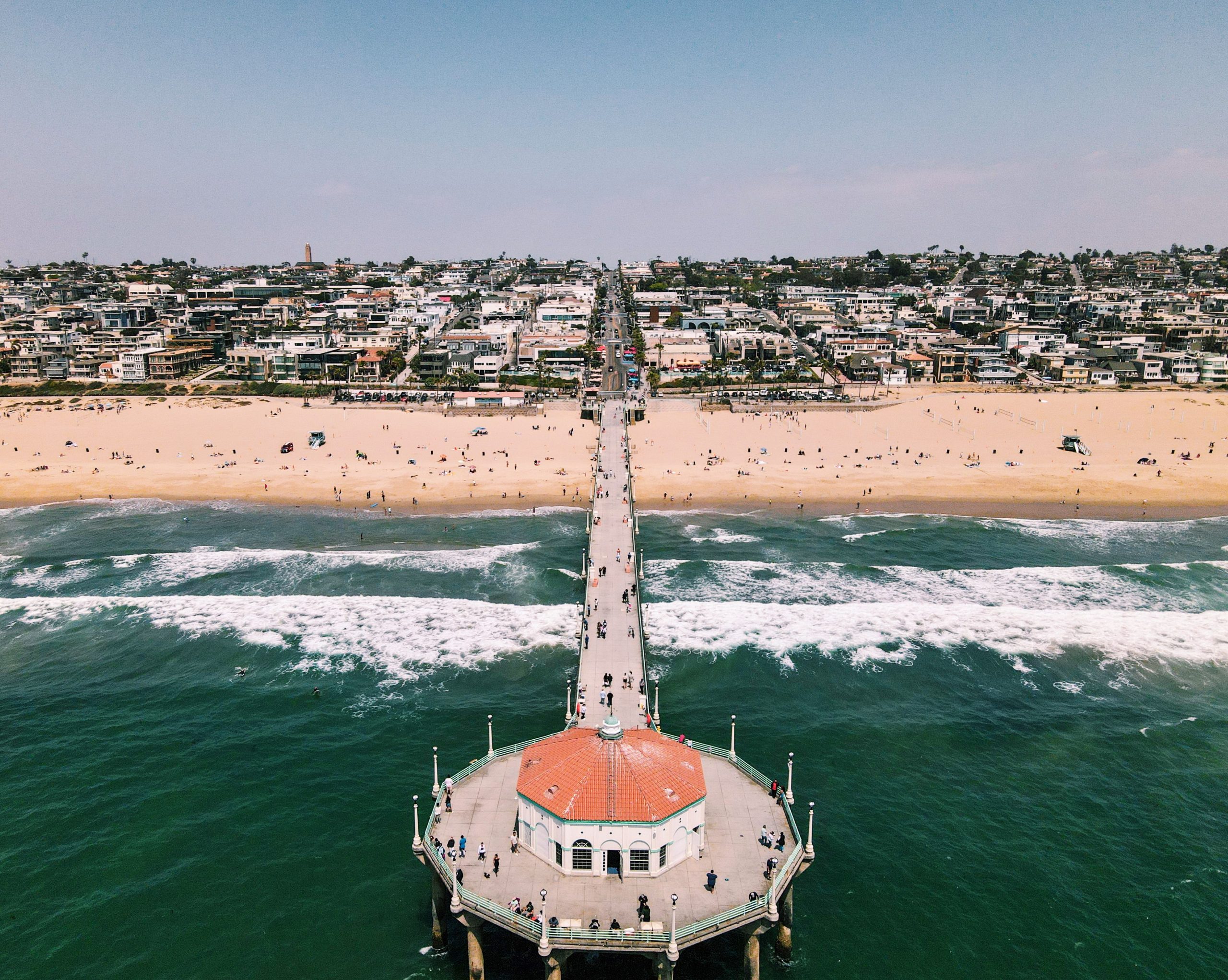
Los Angeles was shaken Saturday morning by a magnitude 5.0 earthquake centered off the coast near Manhattan Beach, followed by dozens of aftershocks that rattled communities across Southern California and served as a reminder of the region’s seismic vulnerability.
The earthquake struck at approximately 9:30 a.m. on November 28, with the epicenter located offshore near Manhattan Beach. Shaking was felt throughout Los Angeles County and beyond, prompting residents to report items falling from shelves, pictures shifting or falling from walls, and buildings shaking.
The initial earthquake was followed by a series of aftershocks, including a significant magnitude 4.5 earthquake at 11:41 a.m. near Hermosa Beach. By Saturday afternoon and evening, seismologists had reported dozens of aftershocks, with more shaking possible in the days ahead.
According to seismologist Dr. Lucy Jones, the aftershock activity was somewhat more active than average, but still within the normal range for an earthquake sequence. Residents should remain prepared for additional shaking.
Among the most visible damage reported Saturday was at Los Angeles International Airport, where shattered glass and debris were seen in Terminal 7. Portions of a walkway were blocked off following reports of broken overhead windows. Passengers also reported ceiling tiles coming loose during the shaking.
Air traffic was affected as aircraft approaching the airport responded to the earthquake. At least some flights were instructed to perform go-arounds as a precaution.
Although the airport damage appeared limited, the incident highlights how an earthquake can affect critical infrastructure, transportation and thousands of travelers, even when widespread structural damage is not reported.
Los Angeles Fire Department personnel were placed into earthquake mode following the initial quake and subsequent significant aftershock. Firefighters from 106 neighborhood stations conducted assessments by land, air and sea, checking infrastructure and areas of concern throughout the city.
The LAFD later announced that its earthquake assessment was complete, reporting no significant infrastructure or structural damage and no injuries within the City of Los Angeles.
Aftershocks are earthquakes that follow a larger earthquake in the same general area. They occur as the Earth’s crust adjusts following the initial rupture.
While many aftershocks are smaller than the original earthquake, some can be strong enough to cause additional damage, particularly to buildings or structures already weakened by the initial shaking.
Today’s sequence is a reminder that residents should not assume the danger has passed simply because the first earthquake has ended. Aftershocks can occur minutes, hours or days later, and people should remain alert, especially if they are inside buildings that may have sustained damage.
Seismologists cannot reliably predict the exact time, location or magnitude of the next earthquake. Residents should be cautious of online claims that a larger earthquake is certain to follow today’s activity.
What Seismologists Say About Earthquake Preparedness
Earthquake preparedness is not about predicting when the next earthquake will happen. It is about taking steps to reduce the risk of injury and damage before the ground begins to shake.
Seismologist Dr. Lucy Jones has emphasized the importance of community preparedness, encouraging people to build relationships with neighbors and think beyond emergency supplies alone. Knowing who may need help, who has resources and how people can work together can be an important part of surviving a major disaster.
The U.S. Geological Survey and emergency officials recommend several essential preparedness measures:
Secure your home. Anchor bookcases, cabinets, televisions and heavy furniture to walls. Move heavy objects to lower shelves and secure items that could fall, shatter or block exits.
Create an emergency kit. Keep water, nonperishable food, first aid supplies, medications, flashlights, batteries, chargers, sturdy shoes, gloves and essential documents accessible. Emergency supplies should ideally be sufficient for at least three days.
Make a family communication plan. Identify an out-of-area contact, establish a meeting location and make sure family members know how to communicate if phone service becomes disrupted.
Know how to shut off utilities. Learn where gas, water and electricity shutoffs are located and how to operate them safely. Do not shut off gas unless there is a reason to do so, such as a suspected leak, and follow utility guidance.
Prepare for pets. Keep pet food, water, medications, carriers, leashes and identification readily available. Pets may become frightened and behave unpredictably during and after an earthquake.
Check on neighbors. Older adults, people with disabilities and those living alone may need assistance. Emergency responders may be stretched thin during a major disaster, making community support essential.
What to Do When the Ground Starts Shaking
The recommended action during an earthquake is Drop, Cover and Hold On.
Drop to your hands and knees before the shaking knocks you down. Cover your head and neck beneath a sturdy table or desk if possible. Hold on to your shelter and remain there until the shaking stops.
If there is no sturdy table nearby, move away from windows and objects that could fall, get low and protect your head and neck with your arms.
Do not run outside during shaking. Falling glass, building materials and other debris can create greater danger outdoors near buildings. Doorways are not necessarily safer than other areas inside a modern home.
If you are driving, safely pull over away from bridges, overpasses, power lines and other hazards, and remain in your vehicle until the shaking stops.
After the earthquake, check for injuries, inspect your surroundings for hazards, watch for damaged electrical wiring or gas leaks, and be prepared to take cover again if an aftershock occurs.
Today’s earthquake did not result in widespread reported damage or injuries in the City of Los Angeles, but the broken glass at LAX, falling objects and repeated aftershocks were reminders of how quickly an earthquake can disrupt daily life.
Los Angeles is home to millions of people, major transportation hubs, hospitals, schools, businesses and infrastructure. The question is not whether Southern California will experience another earthquake, but whether residents, buildings and communities will be prepared when it happens.
Today’s shaking may have lasted only seconds. The preparedness lessons should last much longer.