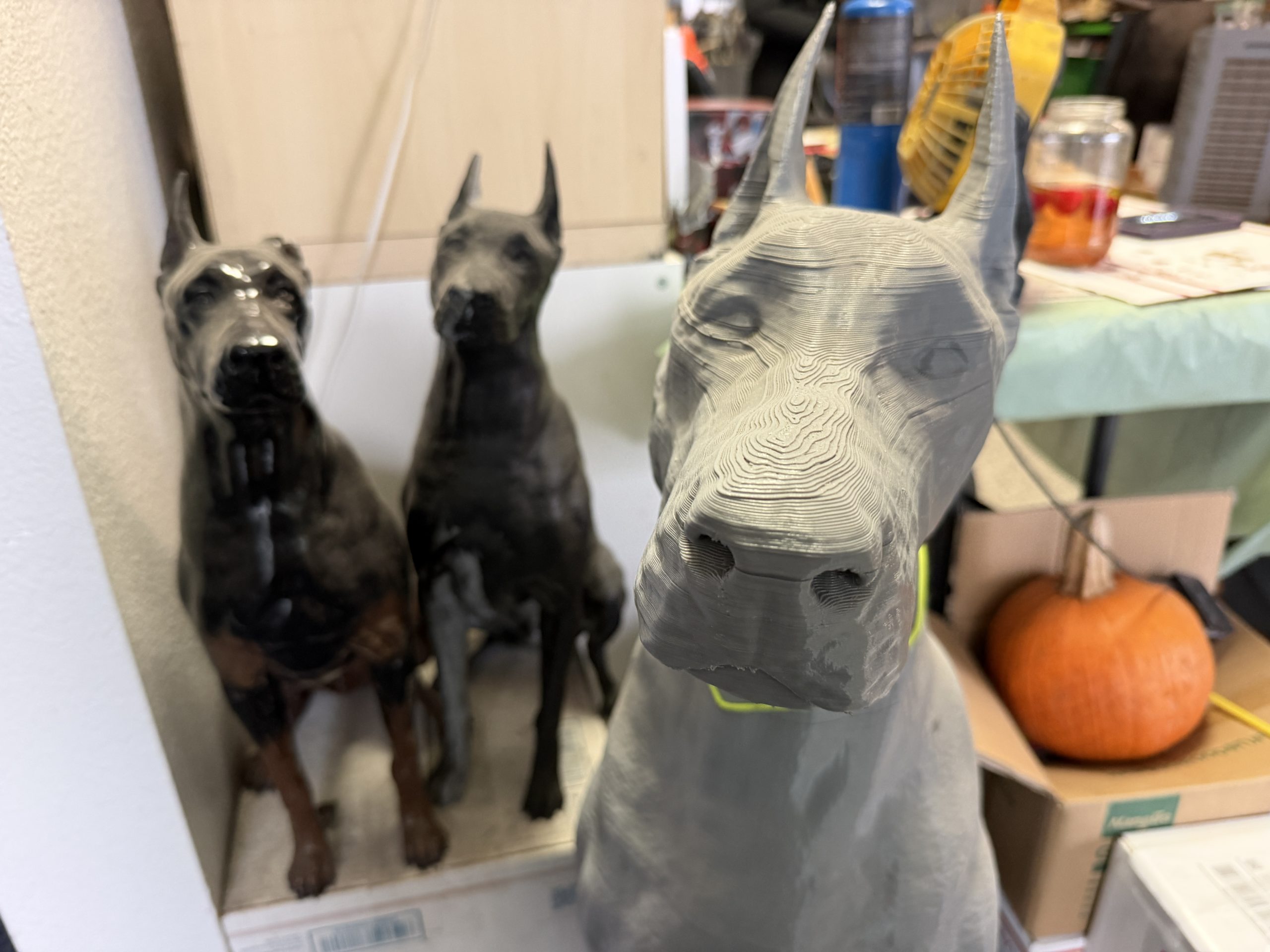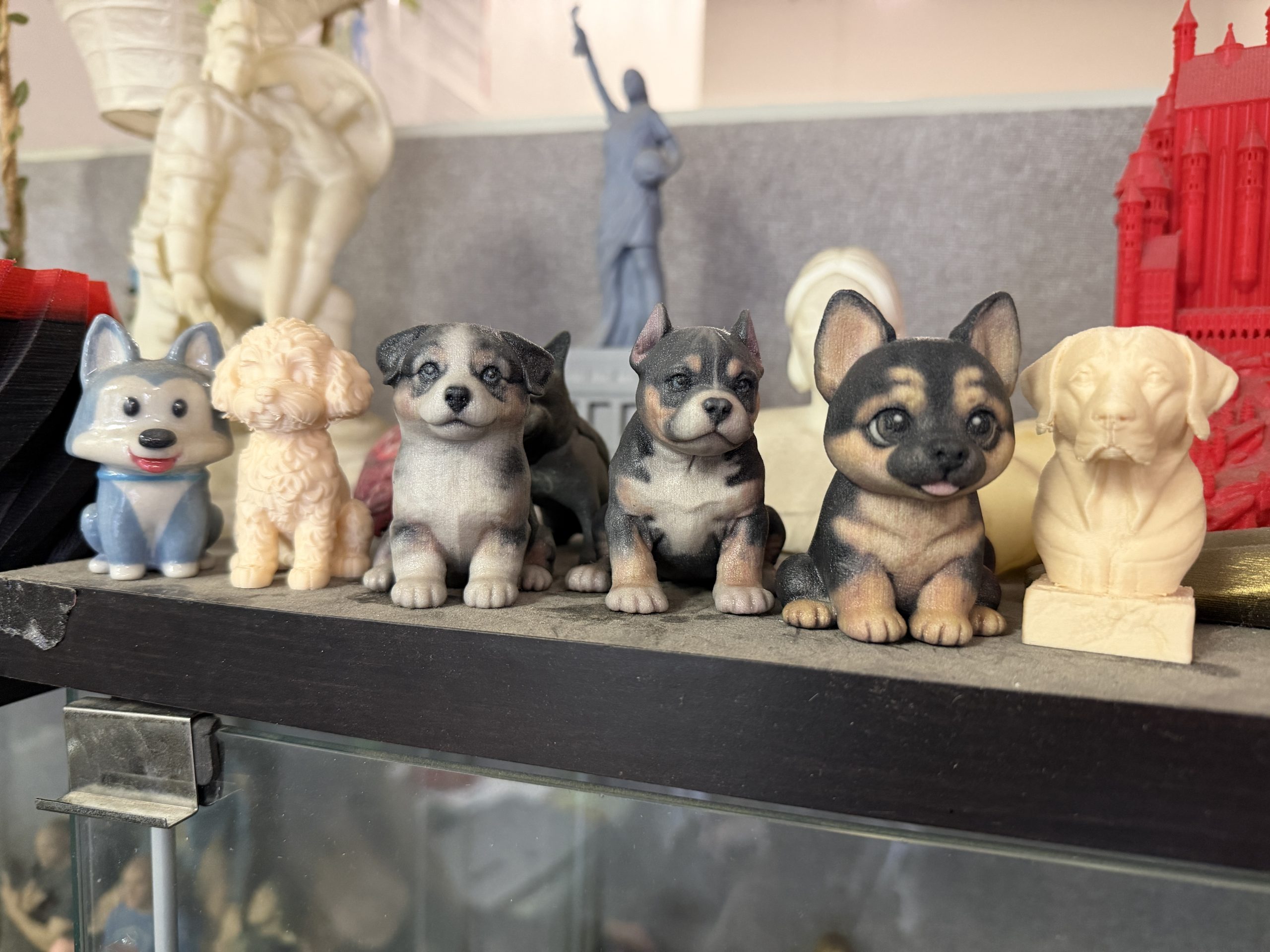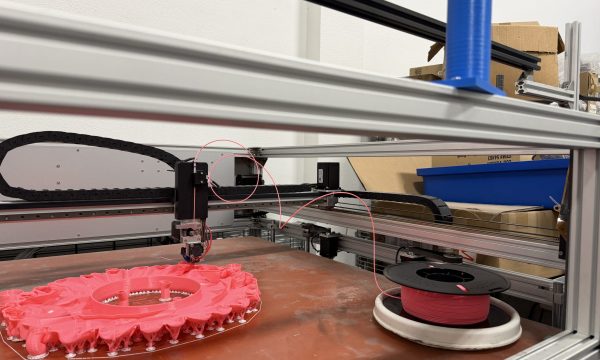


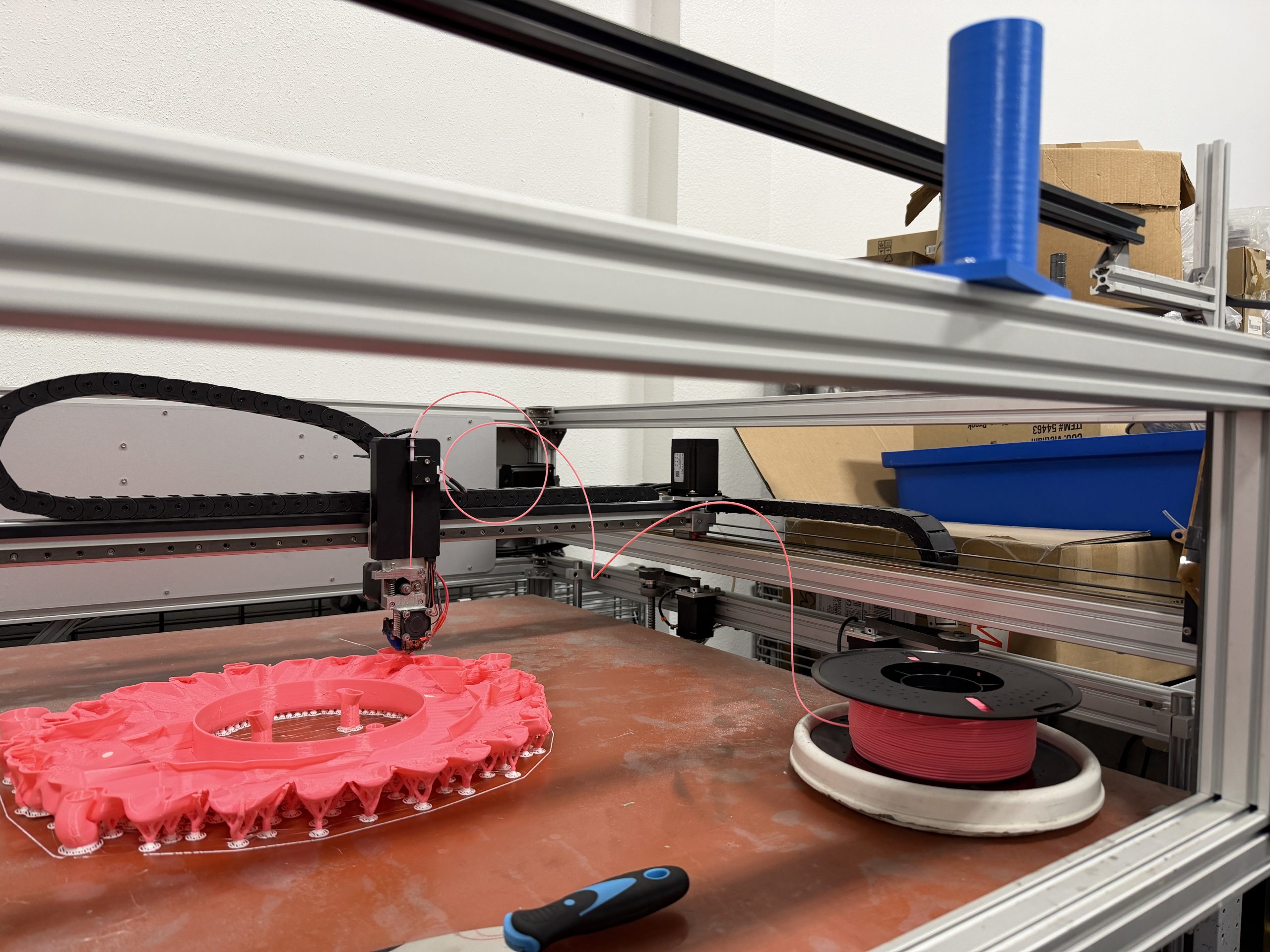
Walking into the COKREEATE facility, I was immediately impressed by what I saw. To my right stood a giant, nearly human-sized 3D printer, while shelves throughout the space displayed countless figurines, miniature statues and intricate creations. It was a fascinating introduction to a world where technology and artistry come together to turn digital concepts into tangible objects.
Although 3D printing may seem like a relatively new innovation, its origins date back to the early 1980s. Japanese researcher Hideo Kodama explored a process of building three-dimensional objects layer by layer using light-sensitive materials in 1981. A few years later, American inventor Charles Hull developed stereolithography, helping bring the first commercially available 3D printer to market in 1987. Initially used primarily for industrial prototyping and product development, the technology has since evolved into an increasingly accessible tool for artists, designers, manufacturers and creative industries.
For Jewelyn Co, co-founder and vice president of COKREEATE, the possibilities became apparent when she and her husband, Will, decided to take a chance on an emerging industry.
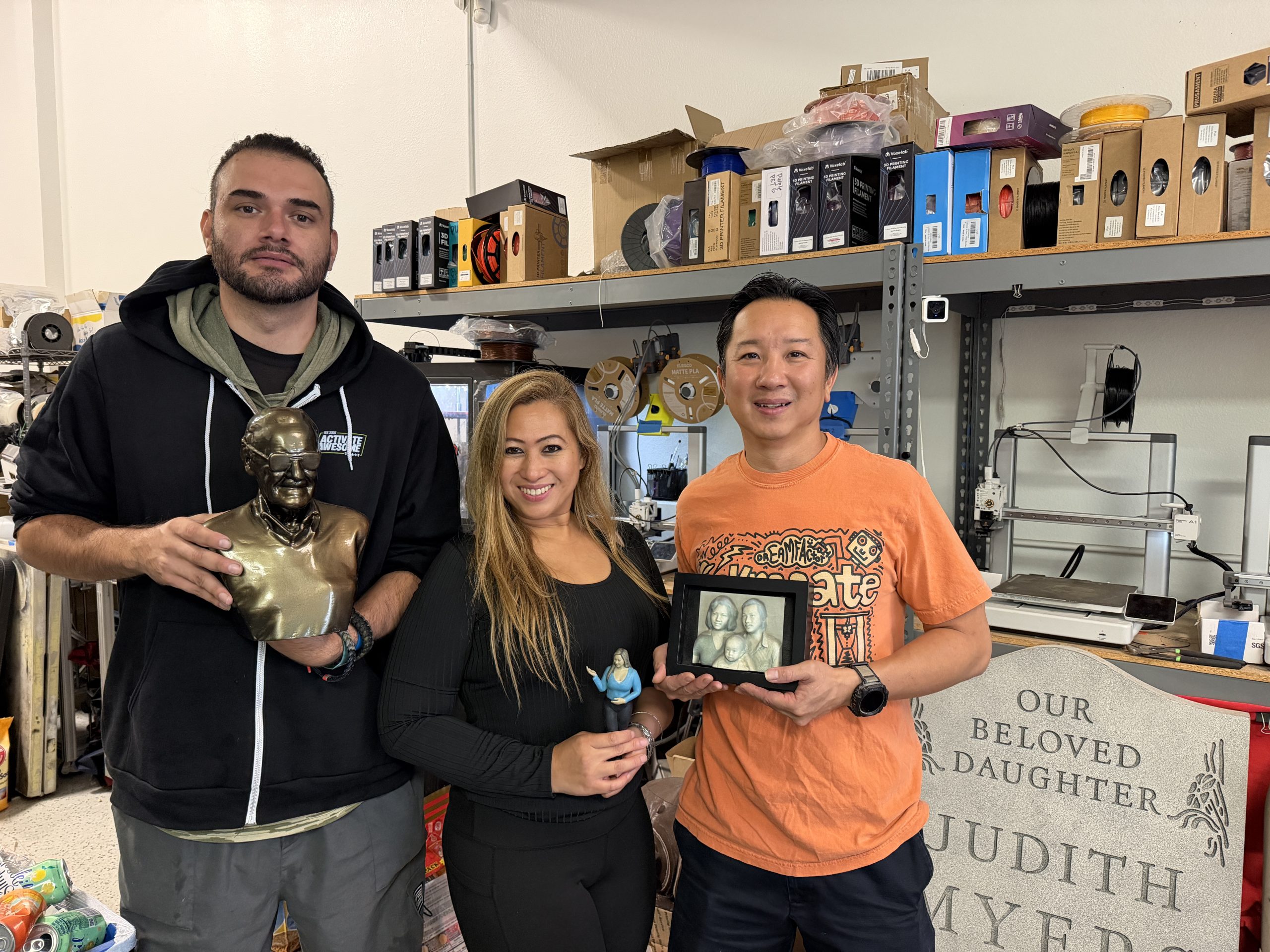
Their journey began through Will’s technical background. Having studied hardware and computers, he had previously worked for a company involved in surveillance technology, where he was introduced to 3D printing as a way to create samples and test products. Intrigued by the technology, he eventually purchased his own printer.
At the time, Jewelyn had recently been laid off from her job. With a background in social work rather than engineering or digital design, she found herself embarking on an entirely new professional path.
“At that time, it was basically either pursuing something new or just going on with what we had been doing,” she recalled. “He said, ‘Learn this technology. We’re going to do trial and error and teach each other what we can find out.'”
With financial support from family and even funds borrowed from their college savings, the couple took the leap and began building their business from the ground up.
“We saw that not a lot of people were in this business,” Jewelyn explained. “There were only a handful of companies doing 3D printing, and most of them were selling the machines. There wasn’t much of a service industry. We thought that if we learned the technology, we could provide this kind of work for everybody.”
One of the ideas that helped shape COKREEATE came from a company Will discovered in Japan that was producing miniature figurines of people. Inspired by the concept, the couple incorporated personalized figurine creation into their services, investing in sandstone printers and a 3D scanner that they have used since the company’s early days.
Today, the company works with different printing technologies and materials, each offering distinct results.
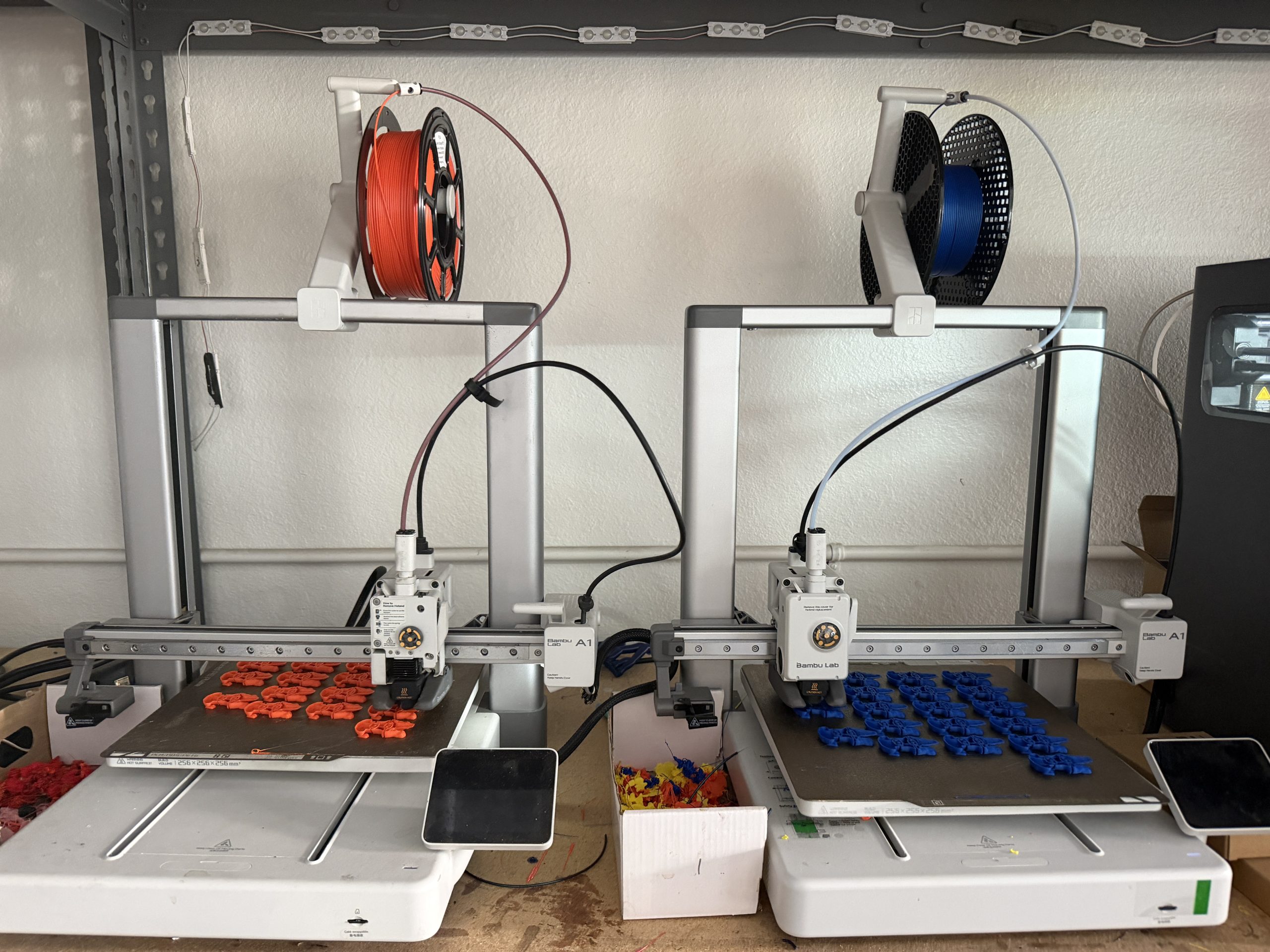
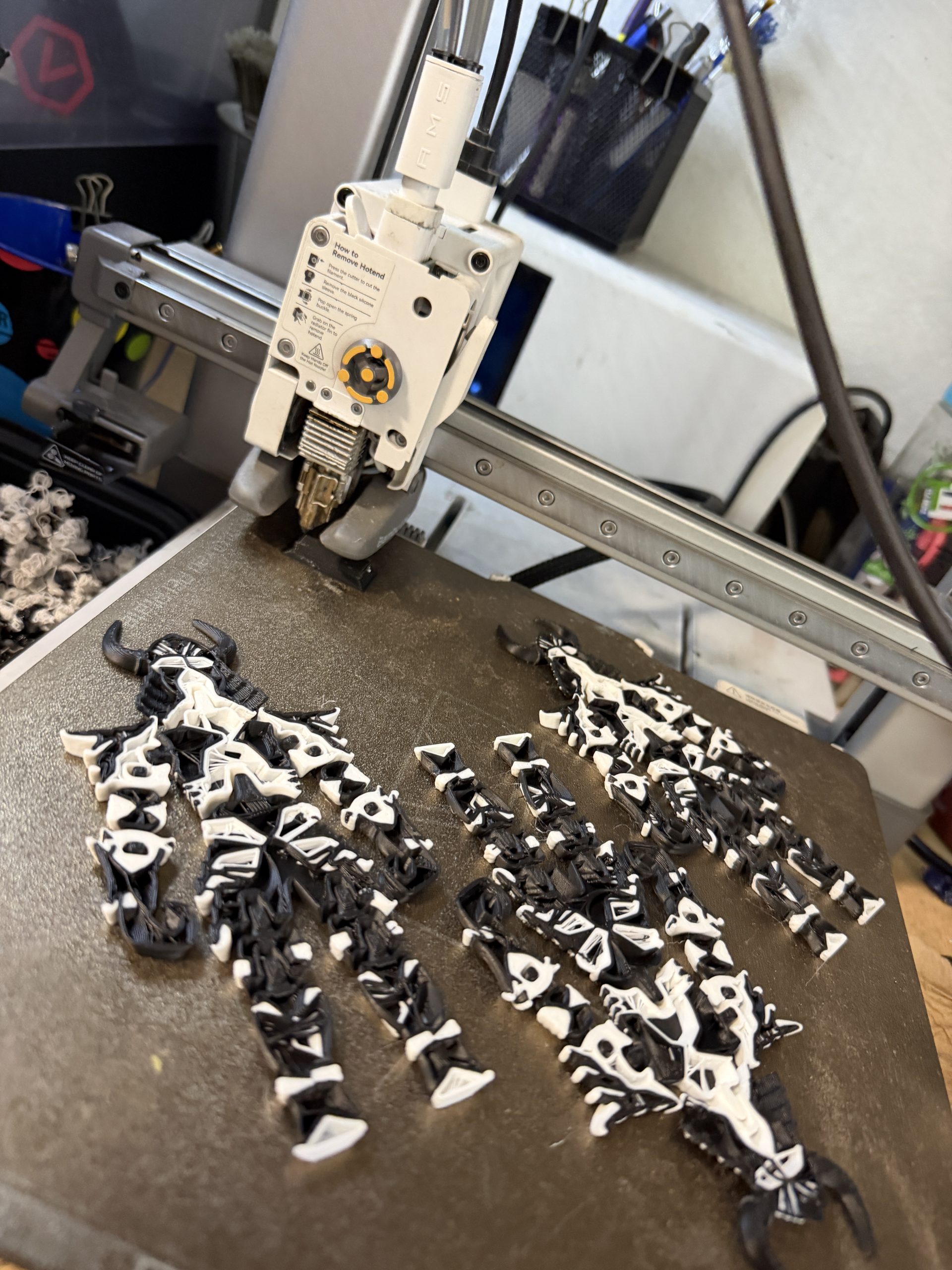
One commonly used process is FDM, or fused deposition modeling. Think of it as a high-tech glue gun. Plastic filament is heated and deposited layer by layer until the object takes shape. Another process uses sandstone, a gypsum-based powder that is bonded together with an adhesive to create a solid model. The finished piece then undergoes additional treatment to improve its surface and durability.
The technology may create the initial form, but the artistry doesn’t end when the printer stops. Each piece can require careful cleaning, sanding, coating and, depending on the client’s request, hand painting. Artists such as COKREEATE’s Adolfo play an important role in that final transformation, giving printed objects their individual character and finish.
That distinction has also helped change perceptions within the artistic community. When 3D printing first began gaining attention, some traditional artists were concerned that the technology would replace handmade sculpting and model-making.
Jewelyn remembers receiving some initial hesitation from artists at industry conventions. Rather than viewing traditional craftsmanship as competition, however, COKREEATE began working alongside artists, offering printing services that could help streamline their creative process.
“They saw how 3D printing could make their process easier and faster,” she said. “We have worked with those artists as well. It’s about helping them.”
The company has also embraced the entertainment industry, working on projects connected to Marvel, as well as with Paramount and Warner Bros. Among its memorable creations was a miniature statue of the late Stan Lee, produced as a collectible keepsake. COKREEATE has also created personalized miniature action figure-style models and handled larger production orders for clients.
Not every project is about mass production, however. Some of the most meaningful creations are deeply personal. Jewelyn shared how, during the company’s early days, she practiced the scanning and printing process by creating a miniature model of her father. He passed away the same year the company opened its brick-and-mortar facility.
“That’s one of those things that you can keep as a memory of him,” she said.
It is a reminder that beyond the impressive machinery and technical capabilities, 3D printing can also preserve something personal.
The technology itself continues to advance. Printers that once required hours to complete relatively small projects can now accomplish some jobs in a fraction of the time. Newer machines offer built-in cameras and app connectivity, allowing operators to monitor prints remotely and stop a job if something goes wrong. More affordable desktop models have also made the technology accessible to hobbyists and individuals who want to experiment at home.
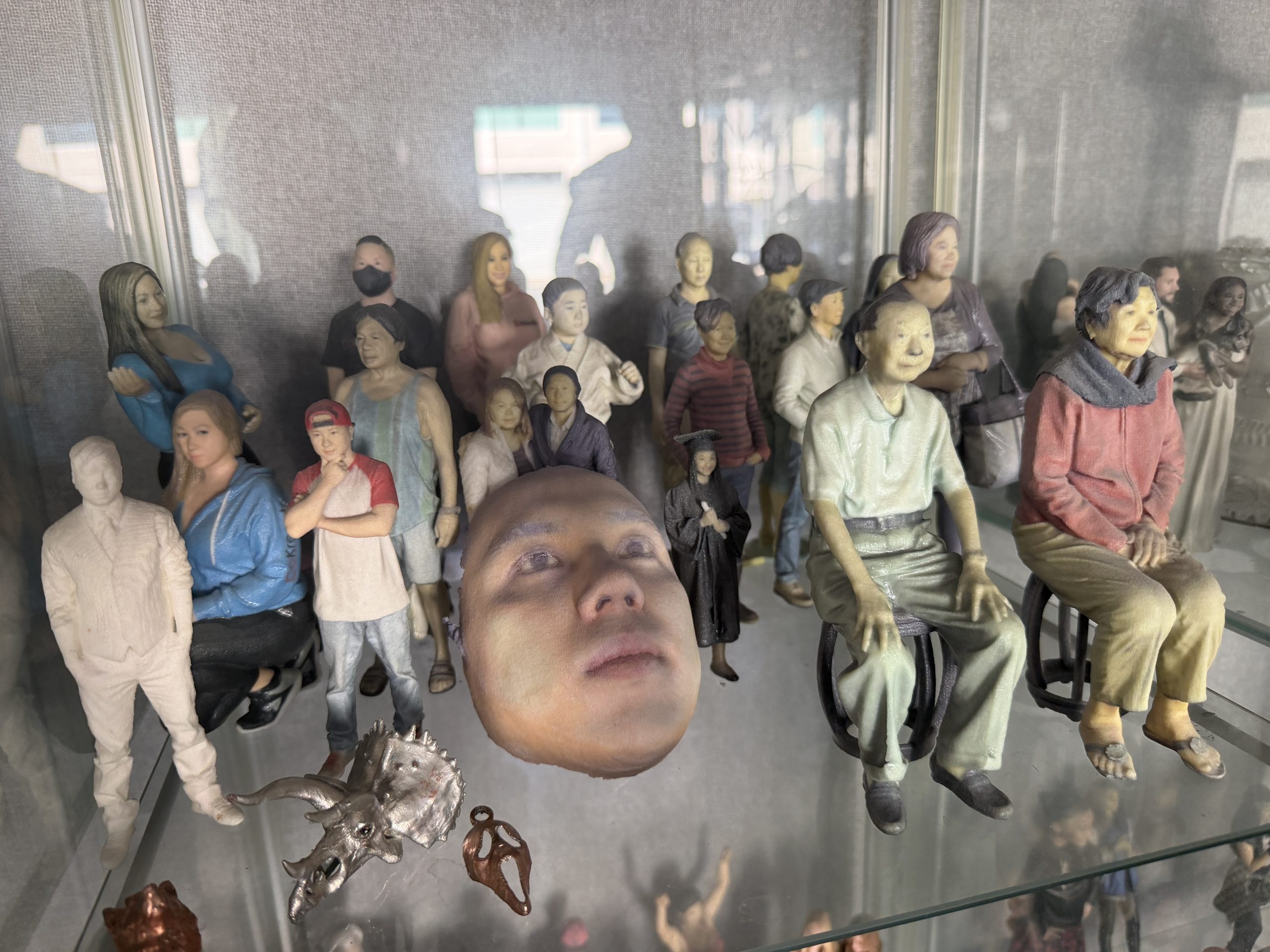
Still, professional services remain important, particularly when it comes to complicated designs, specialized materials and large production orders. COKREEATE’s printers can produce pieces up to approximately six feet tall, while its work can also extend to incredibly small models, including figurines measuring just one inch.
For Jewelyn and Will, the business has been an ongoing education in a field that never stops changing. From learning how to operate and repair the machines to understanding new materials and production techniques, their experience has grown alongside the technology.
And as artificial intelligence becomes increasingly integrated into creative industries, Jewelyn sees another opportunity for collaboration rather than replacement. AI can assist with digital design, but files still require human adjustments and refinements before they are ready for printing.
Ultimately, what I found most fascinating at COKREEATE was the balance between the machines and the people behind them. A digital design may provide the blueprint, and a printer may build the object layer by layer, but it still takes human creativity, technical knowledge and an artist’s eye to bring the finished piece to life.
What once seemed like science fiction has become a remarkable creative reality, one miniature figurine, custom statue and extraordinary creation at a time.